Here is a comprehensive, beginner-friendly guide designed to help you master AI pet portraits using PixPawAI.
Have you ever looked at a 3D movie or a 3D animated film and thought, “My dog would look adorable as a character in that world!”? You aren’t alone. The trend of turning furry friends into animated movie stars is taking over social media.
In the past, you would need expensive software or a professional digital artist to achieve this look. Today, you can learn how to create a 3D animation style pet portrait in 30 seconds using simple AI tools.
In this AI pet art guide, we will walk you through using PixPawAI to transform your cat, dog, or bunny into a studio-quality character. No design skills are required—just a cute photo and a few clicks!
Step 1: Choose the Perfect “Source” Photo
Before touching any buttons, you need the right raw material. The AI is smart, but it needs a clear view of your pet to capture their personality.
The Action: Scroll through your camera roll and select a photo where your pet is facing the camera or looking slightly to the side. Avoid blurry action shots.
Why this matters: If the AI can’t see your pet’s eyes or distinct markings, the resulting 3D character might look like a generic animal rather than your specific pet.
💡 Pro Tip: Good lighting is key! Natural daylight works best. Avoid photos with heavy shadows across the face or glowing “laser eyes” from a camera flash.
Step 2: Navigate to the PixPawAI Upload Tool
Now that you have your photo, it’s time to start the transformation process.
The Action: Open your web browser on your phone or computer and head to the PixPawAI homepage. Look for the “Create Now” or “Upload” section prominently displayed on the screen.
Why this matters: We want the interface to be ready for your image.
💡 Pro Tip: You don’t need a high-end computer for this. This process works perfectly on mobile phones, making it easy to do right after snapping a picture of your cat napping.
Step 3: Upload Your Pet’s Photo
This is where you feed the system the information it needs to generate the art.
The Action: Click the “Upload Image” button. Select the photo you chose in Step 1.
PixPawAI Feature Spotlight: If you are a PixPawAI Pro user, use the Multi-Image Option here. You can upload several photos (e.g., front view, side profile). This gives the AI more data to work with, resulting in a much more accurate resemblance of your pet.
💡 Pro Tip: Ensure your file isn’t too small. A standard smartphone photo is perfect, but avoid using tiny thumbnails downloaded from social media/thumbnails.
Step 4: Select the “3D Animation” Style
The magic of PixPawAI lies in its diverse style library. To clear the 3D animation style pet portrait steps, you need to pick the specific animation filter.
The Action: Once your photo is uploaded, browse the style carousel. Look for the option labeled “3D Animation,” “Cartoon 3D,” or “Movie Style.” Select it to apply the filter parameters.
Why this matters: This tells the AI to ignore realistic oil painting or sketching styles and focus on the big eyes, soft fur textures, and expressive lighting found in modern animation.
💡 Pro Tip: If you want to experiment later, PixPawAI also offers styles like “Renaissance,” “Watercolor,” or “Pop Art.” But for now, stick to 3D for that movie-star look.
Step 5: Generate and Wait (The 30-Second Rule)
This is the easiest part—let the technology do the heavy lifting.
The Action: Click the “Generate” button. A loading bar or animation will appear.
Why this matters: The AI is currently analyzing your pet’s features (ear shape, snout length, eye color) and rebuilding them into a 3D model environment.
💡 Pro Tip: Be patient! The promise is how to create a 3D animation style pet portrait in 30 seconds, but if your internet connection is slow, it might take a moment longer. Don’t refresh the page, or you might restart the process.
Step 6: Review and Troubleshoot
Once the image pops up, it’s time for quality control. Does it look like your furry friend?
The Action: Examine the portrait. Check the eye color and unique markings.
Troubleshooting Common Mistakes:
Eyes look weird? The source photo might have been too dark. Try a brighter photo.
Missing spots? If your dog has a specific spot that wasn’t caught, try a photo that shows that marking more clearly.
💡 Pro Tip: If the result isn’t perfect on the first try, don’t worry! AI art sometimes requires a second roll of the dice. click “Regenerate” to get a fresh variation.
Step 7: Download Your Masterpiece
Now that you have an adorable 3D version of your pet, you need to save it.
The Action: Look for the “Download” button. You will usually have options for different quality levels. Always choose the “High Resolution” or “HD” option if available.
Why this matters: High resolution is essential if you plan to share this on Instagram stories (where low quality looks blurry) or print it out later.
💡 Pro Tip: Save the file with a clear name like Rover_3D_Style.jpg so you can find it easily later.
Step 8: Turn Your Art into Reality (Physical Products)
A digital image is great, but having your pet on your couch is better. This is the final step in a truly comprehensive pet portrait tutorial.
The Action: Before leaving PixPawAI, look for the “Print Store” or “Order Products” integration.
PixPawAI Feature Spotlight: You can instantly place your new 3D animation design onto custom items.
Custom Pillows: perfect for your pet to snuggle with.
Canvas Prints: great for hanging over their food bowl.
Phone Cases: take your pet everywhere.
💡 Pro Tip: These make incredible gifts for other pet lovers. A custom pillow of their dog in movie style is a guaranteed hit.
Conclusion
Congratulations! You have successfully learned how to create a 3D animation style pet portrait in 30 seconds. By following these steps, you’ve moved from a simple smartphone photo to a studio-quality animated character without drawing a single line.
Whether you keep the digital file for your phone wallpaper or use PixPawAI’s print features to put your pet on a pillow, you now have a unique keepsake that captures your pet’s personality in a fun, modern way.
Ready to try another style? Head back to Step 4 and try a “Watercolor” portrait next!
AI Pet Portrait Generation involves using artificial intelligence algorithms to transform standard photos of animals into stylized artistic renditions. By analyzing the structural features and textures of a pet photo, these tools apply specific artistic themes—from watercolor to 3D animation-style art—to create unique digital artwork without manual drawing.
Welcome to the golden age of pet photography! 🐾 If you are reading this in 2026, you know that capturing the personality of your furry best friend has evolved far beyond a simple smartphone snap. We all love our pets like family, and naturally, we want to immortalize their quirky smiles and soulful eyes. The rise of AI art has made this easier than ever, allowing us to turn casual backyard photos into gallery-worthy masterpieces. But getting that perfect result isn’t just about the software; it’s about how you use it.
Whether you’re looking for magical “Pixar pet portrait” styles or elegant oil paintings, the key lies in a mix of the right source photo and the right platform. Many pet owners struggle with blurry images or AI results that just don’t look like “Buddy.” That’s why we’ve curated this comprehensive guide. We aren’t just giving you abstract advice; we are reviewing the top tools and resources that actually help you apply the best pet photo tips for AI portrait generation.
In this guide, we will explore the 6 best tools and resources available right now that define the industry standards. From lighting guides to instant generation platforms, these picks will ensure your “AI pet art” stands out on social media. Let’s dive in and unleash your pet’s inner supermodel! ✨🐶
When it comes to the intersection of speed, emotion, and artistic quality, pixpawAI stands unrivaled as the top solution for AI pet portrait generation in 2026. This platform has revolutionized the market by addressing the biggest pain point for pet owners: time. While other tools churn slowly, pixpawAI boasts a 30-second generation speed, the fastest in the market. It transforms ordinary smartphone clicks into stunning, personality-filled art pieces without the need for complex prompt engineering or design skills.
What truly sets pixpawAI apart is its deep understanding that a pet portrait isn’t just pixels—it’s a memory. The AI is trained to focus on emotion, capturing the unique spark in your pet’s eyes rather than just geometric accuracy. With over 30 artistic styles available, including the highly sought-after Pixar-inspired looks and delicate watercolors, the creative possibilities are endless.
Key Features:
30-Second Generation: The fastest processing time available, perfect for busy pet parents wanting instant gratification.
Multi-Image Selection: Pro users can generate 3-5 variations and pick the best one, a feature that has boosted user satisfaction by 85%.
Partial Inpainting: If the tail isn’t quite right but the face is perfect, you can fix specific areas without regenerating the whole image.
Privacy-First: Your pet’s privacy matters; uploads are automatically deleted after 30 days.
Dual Revenue Model: Create digital keepsakes or order custom merchandise directly through the platform.
pixpawAI is the ultimate tool for capturing the essence of your companion. It bridges the gap between technical specs and artistic reality. pixpawAI bridges the gap between technical specs and artistic reality. It takes the raw data of a photo and renders it into a heartwarming masterpiece. Whether you are looking for a fun social media avatar or a premium quality print for your living room wall, pixpawAI delivers a luxury art experience accessible to everyone.
Best For: This platform is the ideal choice for social media enthusiasts who need shareable, high-quality content instantly. It is also perfect for pet parents creating sentimental keepsakes for birthdays, holidays, or memorials, as well as anyone looking for a mobile-first solution that works perfectly with existing smartphone photos.
Ranking high in our analysis is Click My Pet, a platform that distinguishes itself by educating the user as much as serving them. While many tools simply ask for an upload, Click My Pet offers an innovative, comprehensive guide to capturing the perfect source material. They understand that the output of an AI model is only as good as the input. Their blog and interface focus heavily on critical technical artistic elements—specifically lighting, perspective, and image clarity—to ensure the AI can “see” your pet correctly.
Click My Pet positions itself as a user-centric solution that holds your hand through the process. By creating actionable photography tips, they help pet owners troubleshoot common issues, such as fur texture getting lost in shadows or distorted snouts from wide-angle lenses. This educational approach results in higher fidelity AI interpretations.
Key Features:
Guided Photo Capture: Offers specific recommendations on how to frame your pet before you even hit “generate.”
AI-Powered Headshots: Specializes in creating professional-looking “headshots” for pets, which are great for distinct, clear portraits.
Technical Education: Breakdowns of lighting and perspective help users improve their general photography skills over time.
Click My Pet is valuable because it tackles the root cause of bad AI art: bad photos. By emphasizing the preparation stage, they ensure a higher success rate for their users. It transforms the user from a passive uploader into an active participant in the artistic process.
Best For: This tool is excellent for pet owners who want to learn how to take better photos to ensure professional-looking AI results. It is also a great resource for generating clean, clear pet headshots suitable for framed prints or serious profile pictures.
Alicia Rius Photography brings a unique authority to this list. Unlike the automated generators, this resource offers a professional photographer’s perspective on the AI revolution. Alicia Rius provides deep insights into the nuances of dog and cat photography that most algorithms might miss if not guided by a good source image. Her content bridges the gap between high-end editorial photography and accessible AI art generation.
The strength of this resource lies in its “human touch.” Rius explains the artistic principles that make a photo “work”—such as connecting with the animal’s gaze or capturing a specific posture—and applies these principles to preparing photos for AI ingestion. It’s a masterclass in visual storytelling that helps users curate images that result in art, not just processed files.
Key Features:
Professional Expertise: Tips derived from a career in commercial and editorial pet photography.
Species-Specific Advice: deeply nuanced guidance for the different photographic challenges presented by dogs versus cats.
Artistic Transformation focus: Teaches users to view their raw photos as “sketches” for the final AI “painting.”
This resource is incredibly valuable for those who want to understand the art behind the technology. It elevates the standard “pet photo tip” into a lesson on composition and emotion, ensuring that when you do use an AI tool, your source material is top-tier.
Best For: Ideal for users who want to convert their pet photos into genuine art and are willing to put effort into the pre-proces. It is perfect for those looking to improve the fundamental quality of their photos to maximize the potential of AI portrait generation tools.
Pawcaso Studio earns its spot on our list by offering a balanced mix of generation tools and comprehensive education. Their specific focus is on the technical variables that confuse AI: lighting and complexity. The “Pawcaso way” involves stripping back the noise in a photo so the AI can focus entirely on the pet. Their guidance breaks down exactly how exposure settings and background clutter affect the final render.
The platform provides a practical “Photo Tips” section that is indispensable for beginners. They explain, for example, why a photo taken at eye, level works better for AI processing than a top-down view. By demystifying the “black box” of AI processing, Pawcaso empowers pet owners to act as creative directors for their pet’s portraits.
Key Features:
Documentation on Lighting: Detailed advice on using natural light to enhance fur texture for AI reading.
Composition Guides: teaches users how to frame the pet to avoid “hallucinations” (like extra legs) in the final AI output.
Feature Capture: Specific tips on how to ensure distinct features (like spotted ears or specific eye colors) are visible enough for the AI to replicate.
Pawcaso Studio is valuable because it sets realistic expectations and provides the roadmap to meet them. It reduces the frustration of “hit-or-miss” generations by standardizing the input process.
Best For: This is the go-to choice for users who want consistently high-quality AI pet portraits and need a checklist to follow. It’s particularly useful for those struggling with complex fur patterns or dark-colored pets, which are notoriously difficult for AI to capture without proper lighting.
Sometimes the best tip for AI portrait generation isn’t about the generation itself, but the restoration. VanceAI is a powerhouse for “pre-processing.” Before you upload your photo to a stylization tool like pixpawAI, you often need to fix the source. VanceAI offers a robust suite of enhancement tools including sharpening, upscaling, and noise reduction. This is critical for users working with older photos of pets who have passed away, or blurry snaps of hyperactive puppies.
VanceAI acts as the quality control filter. By using their AI Upscaler or Sharpener, you can clarify the edges of your pet’s features. This clarity provides generation tools with a much better “map” to follow, resulting in portraits that look more like the subject and less like a generic animal.
Key Features:
AI Image Sharpener: rescuing blurry motion shots so they can be used for portrait generation.
Background Remover: allowing users to isolate their pet before applying artistic styles, reducing visual confusion for the AI.
Photo Restoration: bringing vintage or damaged physical photos of past pets up to modern digital standards.
VanceAI is an essential tool in the workflow. It solves the “garbage in, garbage out” problem by polishing the input to a professional shine. It ensures clarity, color balance, and detail are optimized.
Best For: This is essential for anyone working with low-quality, old, or blurry images. It is also the best tool for removing distractions from backgrounds or restoring cherished memories of pets for memorial portraits.
Rounding out our list is the viral phenomenon driven by ChatGPT. While primarily a language model, the integration of DALL-E within the ChatGPT ecosystem has sparked a massive social trend in pet photo generation. This entry represents the “experimental” and “community” side of AI pet art. Users across social platforms (like the Facebook group highlights analyzed) are using conversational AI to refine prompts and generate imaginative scenarios for their pets.
The value here lies in the flexibility and the trend factor. You can describe your pet in text (“A golden retreiver looking like a medieval king”) and upload a reference photo, engaging in a back-and-forth dialogue with the AI to tweak results. It represents the democratization of AI art, where barriers to entry are low and creativity is high.
Key Features:
Conversational Editing: You can talk to the AI to adjust specific details (“Make the hat bigger,” “Make him look happier”).
Viral Appeal: participating in a global trend of sharing funny and unique pet transformations.
Accessibility: leveraging a tool many people already use daily for other tasks.
ChatGPT represents the fun, social side of “pet portrait ideas.” It allows for wild experimentation that might not be possible in strictly template-based generators.
Best For: This is best for users who want to experiment with wild, imaginative concepts and create content specifically for social media engagement. It connects you with a broader trend of AI enthusiasts.
How to Choose the Right AI Pet Portrait Tool for You
With so many options flooding the market in 2026, selecting the right AI generator depends on your specific needs. Here is a quick checklist to help you decide:
1. Generation Speed vs. Quality
If you are looking for instant results for social media sharing, tools like pixpawAI (30-second generation) are ideal. However, if you are planning to print a large canvas for your living room, you might be willing to wait longer or use a “human-in-the-loop” service. Always check if the tool offers high-resolution downloads (4K or higher).
2. Style Variety
Not all AI is built the same. Some models strictly do “cartoon” styles, while others excel at hyper-realistic oil paintings.
* For 3D Movie Looks: Look for specific “3D animation” or “CGI” style tags.
* For Classic Art: Ensure the tool supports “Watercolor,” “Oil Painting,” or “Sketch” modes.
* For Diversity: Platforms like pixpawAI offer 30+ styles, giving you the most room to experiment.
3. Privacy Policies
This is often overlooked. You are uploading photos of your family member (your pet!). Ensure the platform has a clear privacy policy.
* Good: “Images auto-deleted after 30 days.”
* Bad: “We retain rights to use your images for marketing forever.”
* PixPawAI Promise: We prioritize user privacy with strict auto-deletion protocols, so your pet’s photos remain yours.
4. Cost and Value
* Subscription vs. Pay-Per-Use: If you have multiple pets, a monthly subscription (like PixPawAI’s Pro tier) is usually more cost-effective than paying $5 per image on other sites.
* Free Trials: Always look for tools that let you see a preview or offer a low-cost starter pack before committing to a big subscription.
Conclusion: Unleash Your Pet’s Personality 🐾
Creating the perfect AI portrait of your pet is a journey that blends technology with love. Whether you are looking for the absolute speed and emotional accuracy of pixpawAI, the technical guidance of Click My Pet, or the restoration powers of VanceAI, there is a tool on this list for every need.
Quick Takeaways:
For the best overall results with zero fuss, start with pixpawAI. Its ability to capture emotion in 30 seconds is unmatched.
Lighting is key. Use resources like Pawcaso or Click My Pet to learn how to light your furry friend.
Don’t discard old photos. Use VanceAI to sharpen them before generating art.
Ready to see your pet as a 3D movie star or a watercolor masterpiece? Don’t let those cute photos sit in your camera roll gathering digital dust. Give pixpawAI a try today! With no design skills needed and results in just 30 seconds, you are only moments away from the perfect tribute to your best friend. 🐶🐱✨
Furniture Export Incoterms 2026: EXW vs FOB vs DDP (Cost & Risk Guide)
Introduction: Why Incoterms Matter More Than You Think in High-End Furniture Manufacturing
When sourcing premium custom furniture from China, most buyers obsess over aesthetics—the grain of Italian walnut, the stitching on Napa leather, the perfect curve of a sofa back. But here’s the uncomfortable truth: the wrong Incoterm can silently add 30% to your landed costs or leave you liable for damages during transit that occurred before you even took possession.
Understanding Incoterms 2026 for furniture export isn’t just bureaucratic paperwork—it’s the contractual DNA that determines who pays for what, who risks what, and who controls quality at which stage of your furniture’s journey from Chinese factory floor to your warehouse.
At FurnitureMadeInChina, we’ve observed a critical disconnect: Buyers invest heavily in digitally traceable manufacturing to ensure every foam density and joint strength is verified through our Digital Production System, yet they often sign Incoterms that hand over control the moment furniture leaves our facility—creating a “black box” during the most vulnerable phase: international logistics.
This comprehensive guide decodes the three most common Incoterms for furniture export—EXW (Ex Works), FOB (Free On Board), and DDP (Delivered Duty Paid)—and reveals how your choice directly impacts your ability to maintain the same transparency and quality assurance you demand during production.
What is Understanding Incoterms 2026 for Furniture Export (EXW vs FOB vs DDP)?
The Foundation: Incoterms Defined
Incoterms (International Commercial Terms) are standardized trade terms published by the International Chamber of Commerce (ICC) that define the responsibilities, costs, and risks between buyers and sellers in international transactions. The 2026 revision (building on the 2020 framework) introduces enhanced clarity around digital documentation and sustainability considerations—particularly relevant for furniture exports where provenance and compliance certificates matter.
For furniture exporters and importers, Incoterms answer three critical questions:
At what point does risk transfer from seller to buyer? (Damage, loss, delays)
Who arranges and pays for transportation, insurance, and customs?
What documentation must each party provide?
Why Furniture Export Requires Special Attention
Unlike electronics or textiles, furniture presents unique logistical challenges:
High volume-to-value ratio: A container of sofas might have lower unit value than smartphones but occupies vastly more space
Fragility of “hidden works”: Internal frame structures, foam layering, and joint integrity can be compromised during rough handling—defects invisible until end-use
Customization complexity:Bespoke pieces can’t be simply reordered if damaged; each item is unique
Multi-material composition: Wood, foam, fabric, and metal each have different handling requirements
This is where digitally traceable manufacturing intersects with Incoterms strategy. Our system captures the pristine condition of your furniture’s hidden works before packaging—establishing a documented baseline. But your chosen Incoterm determines whether you retain control (and evidence) during the logistics phase.
EXW (Ex Works): Maximum Control, Maximum Responsibility
What is EXW?
Ex Works (EXW) represents the seller’s minimum obligation. Under EXW, the manufacturer makes the goods available at their factory premises (our facility in Guangdong, for example), and the buyer assumes all responsibilities and costs from that point forward.
Practical Example: You order 50 custom dining chairs with intricate internal bracing (verified through our Digital Production System with scanned images of each mortise-and-tenon joint). Under EXW:
Our obligation ends when we notify you the chairs are ready for pickup at our warehouse
You arrange the truck to our factory, export customs clearance in China, ocean freight, import customs, and final delivery
Risk transfers the moment you (or your agent) collect the goods
When to Use EXW for Furniture Export
Ideal Scenarios:
You have established Chinese logistics partners: Experienced buyers with existing freight forwarders in China who can handle export procedures efficiently
You demand total supply chain control: When you want to select specific shipping routes, carriers, and insurance to maintain chain of custody
Consolidation needs: Combining furniture from multiple Chinese manufacturers into one container requires EXW from all suppliers
FurnitureMadeInChina Pro Tip: Even under EXW, request loading supervision documentation from our team. Our workers can scan and photograph furniture placement in the container using the same Digital Production System—providing proof of proper loading before the “black box” of transit begins.
EXW Risks for Furniture Buyers
⚠️ The Export License Trap: China requires export licenses for certain hardwoods (like rosewood). Under EXW, you’re responsible for obtaining these, which can be practically impossible for foreign buyers without local presence.
⚠️ The VAT Refund Problem: Chinese factories typically quote EXW prices inclusive of VAT but expect you to handle the VAT export refund process—complex and time-consuming.
⚠️ Hidden Quality Breakpoint: There’s a dangerous gap between our Digital Production System’s final verification and when your logistics partner takes possession. Without proper handover protocols, damage accountability becomes murky.
FOB (Free On Board): The Balanced Middle Ground
What is FOB?
Free On Board (FOB) is the most common Incoterm for furniture exports from China. The seller delivers goods on board the vessel at the named port of shipment (typically Shanghai, Shenzhen, or Ningbo for furniture).
Cost and Risk Breakdown:
Seller’s Responsibilities (FurnitureMadeInChina):
Manufacturing (with full digital traceability)
Domestic transportation to Chinese port
Export customs clearance and documentation
Loading costs onto the vessel
Buyer’s Responsibilities:
Ocean freight from Chinese port
Marine insurance
Import customs clearance
Final inland delivery
Critical Point: Risk transfers when goods pass the ship’s rail at the port of loading.
The FOB Furniture Export Workflow
Let’s trace a real scenario—a high-end hotel in Dubai ordering 200 custom armchairs:
Phase 1: Production (Our Territory)
Our Digital Production System tracks each chair through Woodworking → Foam Station → Upholstery
Real-time dashboard shows moisture content of beech frames (must be <12% before advancing)
System flags Chair #47 where foam density scan shows 38kg/m³ instead of specified 45kg/m³
“The Case of the Wrong Foam” in Action: A worker accidentally grabbed the wrong foam roll. In a traditional “black box” factory, this would be discovered months later when the chair prematurely sags. Our system halted production at that station until the correct foam was scanned and verified.
Phase 2: Pre-Shipment (Still Our Territory)
Chairs packed in custom wooden crates with moisture barriers
Loading at factory documented via system scans
Truck transport to Shenzhen port (we arrange and pay)
Export declaration filed with commodity codes for “upholstered wooden seating”
Phase 3: Port Loading (Transition Point)
Container loaded onto vessel
Risk transfers here—any storm damage during ocean transit is now buyer’s concern
We provide Bill of Lading (B/L) as proof of shipment
Phase 4: Buyer’s Journey
Ocean freight to Jebel Ali port, Dubai
Import customs clearance
Final delivery to hotel site
When to Use FOB for Furniture Export
Ideal Scenarios:
Standard international purchases: You have reliable freight forwarders in your home country but not necessarily in China
Competitive freight shopping: You want to negotiate ocean freight rates independently
Insurance control: You prefer arranging marine insurance through your own underwriters who understand furniture value
Why FOB Complements Digital Traceability: FOB allows us to extend our Digital Production System documentation through the domestic Chinese logistics phase. We can verify:
Furniture condition at factory (via production scans)
Furniture condition at port warehouse (via pre-loading inspection scans)
This creates an unbroken digital chain of custody right up to the vessel, minimizing the “black box” gap.
FOB Pitfalls to Avoid
⚠️ The “Ship’s Rail” Ambiguity: Modern container shipping rarely involves goods literally crossing a ship’s rail. The 2026 Incoterms clarify this as “when goods are in the carrier’s custody at the port terminal.”
⚠️ Port Congestion Costs: If your nominated vessel is delayed, demurrage (container storage fees) at the Chinese port may fall on you under FOB.
⚠️ Communication Gaps: We’ve seen cases where buyers assume FOB includes inland delivery in China. Always confirm the specific FOB port in writing (“FOB Shenzhen,” not just “FOB”).
DDP (Delivered Duty Paid): Maximum Convenience, Maximum Cost
What is DDP?
Delivered Duty Paid (DDP) represents the seller’s maximum obligation. We deliver furniture to your specified address (your warehouse in New York, your showroom in London), fully cleared through customs, with all duties and taxes paid.
Complete Seller Responsibility:
All manufacturing and quality control
Export procedures in China
International freight and insurance
Import customs clearance in your country
Payment of all import duties and VAT
Final delivery to your specified location
Risk transfers only when goods are ready for unloading at the named destination.
The DDP Furniture Export Journey
Scenario: A boutique furniture retailer in Stockholm orders 10 custom sofas with complex curved backs requiring precise internal framing.
Our End-to-End Responsibility:
Production Phase:
Digital Production System tracks the critical curved frame stations
Each curve radius verified against CAD specifications via digital templates
Foam contouring scanned at multiple nodes to ensure compound curves match design
System uploads 847 verification points per sofa before upholstery covers the “hidden works”
Chinese Domestic Logistics:
Professional packing for long-haul transit
Trucking to Shanghai port
Export customs handled by our licensed broker
International Transit:
Ocean freight Shanghai → Gothenburg
Marine insurance (typically 110% of invoice value)
We assume all risk during transit
Swedish Import:
Customs clearance at Gothenburg
Payment of Swedish import duties (~3.2% for furniture) and VAT (25%)
Trucking to retailer’s Stockholm address
Unloading assistance
Your Only Obligation: Be ready to receive the sofas at your location.
When to Use DDP for Furniture Export
Ideal Scenarios:
First-time importers: No experience with international logistics or customs procedures
Small orders: The administrative overhead of arranging freight isn’t justified for 5 chairs
Predictable budgeting: You want one all-inclusive price with no surprise customs bills
Complex compliance markets: Countries with intricate import regulations (EU’s CE marking, California’s Prop 65)
The High-End Custom Furniture Argument for DDP:
When you’re ordering €50,000 worth of bespoke pieces with intricate internal structures, the last thing you want is to scramble for a customs broker while your container racks up port storage fees. DDP lets you focus on what our Digital Production System does best—ensuring quality during manufacturing—while we handle the “commodity phase” of getting completed goods to you.
DDP Challenges in Furniture Export
⚠️ Price Opacity: DDP quotes can be difficult to compare. Are duties calculated at current rates or estimated? Does it include unloading, or just curbside delivery?
⚠️ VAT Recovery Issues: If you’re VAT-registered in the EU, you might prefer to pay VAT yourself and reclaim it, rather than having us pay it (where it becomes an unrecoverable cost).
⚠️ Country Expertise Limitations: We’re experts in Chinese export regulations and major markets (US, EU, Australia). For secondary markets (Argentina, South Africa), our DDP capabilities may be limited.
⚠️ The Final Mile Risk: Under DDP, we’re responsible until delivery to your address. But if your receiving dock can’t accommodate a 40-foot container truck, additional trans-loading costs emerge.
Receiving inspection (compared against our baseline data)
Avoid the “Double Black Box”: Using EXW with an unknown freight forwarder creates two opaque phases—Chinese domestic transit AND international shipping—with no quality accountability.
3. What’s Your Volume and Frequency?
Order ProfileIncoterm StrategyLarge recurring orders (quarterly containers)FOB + negotiate annual freight ratesSmall trial order (5 pieces)DDP to minimize setup complexityMedium order with multi-factory sourcingEXW from all + consolidation warehouseOne-time large project (hotel furnishing)DDP with fixed price guarantee
4. What are the Import Compliance Complexities?
Use DDP when:
Destination country has complex furniture regulations (flammability standards, formaldehyde limits)
You’re importing restricted materials (certain hardwoods under CITES)
Tariff classification is ambiguous (is it a “chair” or “furniture part”?)
Use FOB when:
You have specialized customs brokers for tariff engineering (optimizing HS codes)
Your company has AEO (Authorized Economic Operator) status for expedited customs
You need specific customs documentation for tax incentives or trade agreements
The Business Benefits of Understanding Incoterms 2026 for Furniture Export
1. Controlling FF&E Costs & Budgets
Real Example:
Real Example: A US hospitality buyer received two quotes for identical dining sets:
Supplier A: $12,000 DDP New York
Supplier B (FurnitureMadeInChina): $8,500 FOB Shenzhen
Surface analysis suggests Supplier A is more expensive. But when the buyer added Freight ($1,200), Insurance ($150), and Customs Broker fees ($180) to Supplier B’s quote, the total was $10,030. By choosing FOB, the buyer saved nearly $2,000 on the FF&E budget—money that could be reinvested into higher quality fabrics or better wood finishes.
Freight ($1,200)
Insurance ($150)
US customs duty at 0% (under USMCA for qualifying wood)
Customs broker fee ($180)
Inland delivery ($270)
Total: $10,300
Supplier B was actually cheaper, and the buyer gained control over carrier selection and insurance coverage.
The Digital Traceability Advantage: Our system’s detailed material composition data (wood species, foam origin, fabric content) allowed the buyer’s customs broker to accurately classify goods and even claim duty exemptions—impossible with traditional “black box” factories that provide vague material descriptions.
Yearly expenses Finance chart
2. Risk Management and Liability Clarity
“The Case of the Crushed Credenza”:
A luxury retailer ordered an ornate credenza with intricate marquetry work (every veneer piece scanned during assembly via our Digital Production System).
Scenario A (EXW): Credenza arrives damaged. Manufacturer claims it left factory perfect (our digital scans prove this). Freight forwarder claims it arrived damaged at Chinese port. Buyer’s insurance denies claim, saying export packing was inadequate (seller’s responsibility under EXW). Result: Finger-pointing, no compensation.
Scenario B (FOB): Damage occurs during ocean transit. Clear liability: buyer’s marine insurance covers it. Our digital pre-shipment scans prove factory condition. Claim settled in 3 weeks.
Scenario C (DDP): Damage discovered at delivery. Entirely our responsibility and insurance. Buyer suffers zero financial loss (though delivery is delayed).
Incoterm choice = risk allocation clarity.
3. Cash Flow and Working Capital Management
Different Incoterms have different payment trigger points:
IncotermTypical Payment TriggerCash Flow ImpactEXWGoods ready at factory (earliest)Buyer pays before goods even leave ChinaFOBBill of Lading issuedBuyer pays when goods on vesselDDPDelivery at destination (latest)Buyer pays only upon receipt
For high-end custom furniture with 8-12 week production cycles, Incoterm choice affects when your capital is tied up:
EXW: You might pay when goods are ready but won’t receive them for another 6-8 weeks (ocean transit + customs)
DDP: You pay only when goods arrive, keeping capital available longer
The Digital Production System Financial Benefit: Our real-time production dashboard lets buyers see exactly when payment triggers will occur (not guesswork), enabling better treasury planning.
4. Competitive Advantage in Your Market
Story: Two Retailers, Two Strategies:
Retailer X (traditional sourcing):
Uses DDP from “black box” factory
Receives goods 14 weeks after order
Discovers inferior foam density after 6 months of customer use
No documentary proof of specification breach
Cannot enforce warranty claims
Retailer Y (modern sourcing with FurnitureMadeInChina):
Uses FOB with Digital Production System access
Monitors production in real-time via dashboard
Catches foam density issue at Day 12 of production (before upholstery)
Issue corrected immediately; no delay
Receives goods Week 14 with complete digital dossier
Can market furniture with “digitally verified quality documentation”
Result: Retailer Y has lower defect rates, faster time-to-market correction, and can command premium pricing for “traceable quality.”
Why Understanding Incoterms 2026 for Furniture Export is Important: The Quality Assurance Connection
The Critical Insight Most Buyers Miss
Here’s what separates sophisticated buyers from novices: Incoterms aren’t just about logistics—they’re about extending quality control through the supply chain.
Traditional thinking:
Production = Quality control phase
Logistics = Administrative phase
Modern thinking (especially for high-end custom furniture):
Production = Controlled quality phase (our Digital Production System)
Incoterm choice = How far you extend quality visibility
The “Hidden Works” Lifecycle
For a premium sofa with complex internal structure:
Stage 1: Manufacturing (Visible Through Digital Production System)
Frame joinery scanned and verified
Foam density tested and logged
Spring tension measured at each coil
Status: Fully documented, immutable records
Stage 2: Packaging
Wrapped, crated, containerized
Risk: Hidden works now literally hidden inside packaging
Mitigation: Pre-packaging final scans create baseline
Stage 3: Logistics (THE BLACK BOX ZONE)
Domestic transit in China
Port handling
Ocean voyage
Destination port handling
Domestic transit in destination country
Environmental hazards:
Moisture (container condensation can cause wood swelling)
Temperature extremes (affect glue bonds)
Physical shocks (can crack internal joints)
Delays (wood-boring insects in long port storage)
Critical Question: At what point during Stage 3 do you gain visibility and control?
EXW: From Chinese factory gate (earliest, but requires Chinese logistics expertise)
FOB: From vessel loading (balanced approach)
DDP: Only at your destination warehouse (latest, but zero logistics burden)
The Modern Quality Assurance Strategy
Best Practice for High-End Furniture:
Production Phase: Use a manufacturer with Digital Production System (that’s us) to create irrefutable baseline documentation
Incoterm Selection: Choose FOB to gain control at the port, while seller handles complex Chinese export procedures
Logistics Extension: Work with freight partners who:
Understand furniture handling (not just commodity container shipping)
Provide container atmosphere monitoring (humidity/temperature sensors)
Conduct mid-transit inspections if voyage exceeds 30 days
Document receiving condition with photographic evidence
Receiving Verification: Compare delivered condition against Digital Production System baseline scans
This creates a “glass supply chain” that extends our “glass factory” philosophy—no black boxes from raw material to your warehouse.
When Should You Use Understanding Incoterms 2026 for Furniture Export: Practical Scenarios
Scenario 1: Launching a New Furniture Line (Startup/Small Business)
Situation: You’re a designer launching a collection of 15 chair designs, ordering 10 pieces of each (150 chairs total) for initial inventory.
Recommended Approach:
Incoterm: DDP to your warehouse
Rationale: Minimize complexity while you focus on market launch; single vendor relationship
Digital Production System Benefit: Use our real-time production dashboard to create marketing content (“watch your chairs being made”) while we handle all logistics
Alternative: If budget is extremely tight, use FOB + freight forwarder recommended by us (we can introduce partners with furniture expertise)
Scenario 2: Established Retailer Expanding Product Range
Situation: You operate 8 showrooms, have existing freight relationships, ordering quarterly containers of mixed furniture.
Recommended Approach:
Incoterm: FOB to your preferred destination port
Rationale: Leverage your existing freight negotiated rates; maintain logistics control
Digital Production System Benefit: Provide your freight forwarder with our pre-shipment scan data to verify condition at Chinese port loading vs. destination receipt
Payment Terms: Negotiate Letter of Credit (LC) at sight against Bill of Lading to align payment with FOB risk transfer
Scenario 3: Large Hospitality Project (Hotel/Restaurant Chain)
Situation: Furnishing a 300-room hotel—need 300 headboards, 150 sofas, 75 dining tables, all custom-designed with strict completion deadline.
Recommended Approach:
Incoterm: DDP to project site with liquidated damages clause for late delivery
Rationale: You need guaranteed delivery; can’t afford logistics uncertainties on critical path
Digital Production System Benefit: Real-time production monitoring allows your project manager to see exact completion status and proactively adjust installation schedules
Contract Additions:
Require phased delivery (furnishing guest rooms floor-by-floor as construction completes)
Penalty clauses for delays beyond our control trigger only after proven documentation (our system provides this)
Situation: You’re specifying furniture for individual high-net-worth clients; each order is unique (one sofa, two chairs, etc.).
Recommended Approach:
Incoterm: DDP to your receiving warehouse
Rationale: Administrative burden of arranging freight for single-piece shipments is prohibitive
Digital Production System Benefit: Provide clients with access to production dashboard—they can watch “their” sofa being made, viewing the exact foam density verification, frame joinery scans, etc. (major value-add for luxury clients)
Price Justification: The premium you pay for DDP is offset by the client experience value and zero logistics risk
Scenario 5: Furniture Wholesaler/Distributor
Situation: You import containers of furniture monthly, distribute to retailers across your region.
Recommended Approach:
Incoterm: EXW + consolidation warehouse in China
Rationale: Volume justifies establishing Chinese logistics infrastructure; maximum cost control
Digital Production System Benefit: Our system can integrate with your Chinese consolidation warehouse—verify goods condition when transferred from our factory to warehouse, creating accountability chain
Advanced Strategy: Negotiate annual FOB rates based on guaranteed volume, but maintain EXW option for urgent small orders that you can expedite through your Chinese partners
Incoterms 2026 Updates Relevant to Furniture Export
Key Changes from 2020 to 2026
While the official Incoterms 2026 release will finalize specific language, the International Chamber of Commerce has signaled these focus areas:
1. Digital Documentation Standards
Impact on Furniture Export:
Electronic Bills of Lading (eBL) now standard practice under all maritime Incoterms (FOB, CFR, CIF)
Digital certificates of origin, phytosanitary certificates (for wood products), and compliance documentation accepted
FurnitureMadeInChina Integration: Our Digital Production System can now auto-generate export documentation packages that comply with 2026 digital standards—reducing document preparation time from days to minutes
2. Sustainability and Carbon Accounting
New Expectation:
Sellers may need to provide carbon footprint data for transportation under DDP terms
Documentation of sustainable sourcing (FSC-certified wood, recycled foam) becoming standard export documentation
Our Advantage: Our system already tracks material origins at granular level—we can generate carbon reports showing:
Wood source forest and transportation emissions
Manufacturing energy consumption per piece
Packaging material carbon footprint
3. Enhanced Insurance Clarity
Furniture-Specific Relevance:
Clearer definitions of “adequate insurance” for high-value custom goods
Under DDP, explicit requirement to disclose insurance coverage levels
Best Practice: For furniture over $10,000 per piece, specify “All Risks” coverage at 110% invoice value, including coverage for “inherent vice” (internal defects manifesting during transit)
4. Security and Compliance Costs
New Allocation Rules:
Clearer responsibility for security screening costs (X-ray, physical inspection)
Export control compliance (especially for rare wood species under CITES)
Under FOB: Seller (us) handles export security compliance Under EXW: Buyer responsible—can be complex for foreign parties
Common Mistakes to Avoid When Selecting Incoterms for Furniture Export
Mistake 1: Choosing EXW Without Chinese Presence
The Problem: You saw EXW pricing was $2,000 lower than FOB and thought you’d save money.
The Reality:
You can’t legally handle export customs as a foreign entity without Chinese representative
Your freight forwarder charges $1,500 “export service fee” to do what we would’ve done under FOB
VAT refund process requires Chinese tax registration (impossible for you)
You end up paying $2,800 more than FOB, with added complexity
Lesson: EXW only makes sense if you have established Chinese logistics infrastructure or are consolidating multiple suppliers.
Mistake 2: Assuming DDP Means “Zero Hassle”
The Problem: You ordered DDP thinking you’d have zero involvement.
Your country’s furniture safety regulations require YOUR company name on compliance labels (we can’t do this remotely)
Delivery truck arrives but your loading dock has height restrictions—trans-loading needed at your expense
Lesson: DDP means we handle the process, but you still need to provide destination-country-specific information and ensure receiving capability.
Mistake 3: Mixing Incoterms with Payment Terms Inappropriately
The Problem: You negotiated FOB but agreed to “payment before shipment.”
The Risk:
Under FOB, risk transfers when goods are on vessel
If you pay before shipment, you’ve paid for goods before you have risk responsibility
If goods are damaged at port before loading, you’ve paid but don’t yet own them (seller still has risk)
Best Practice Alignment:
IncotermRecommended Payment TriggerEXW70% deposit, 30% before collectionFOBLetter of Credit at sight against Bill of LadingDDP30-day payment terms after delivery confirmation
This aligns payment with risk transfer.
Mistake 4: Ignoring the “Named Place” Specification
The Problem: Your purchase order just said “FOB” without specifying port.
The Disaster:
We shipped FOB Ningbo (closest to our factory)
Your freight forwarder had contracts at Shanghai port (400km away)
Transloading cost: $1,200
Delay: 8 days
Lesson: Always specify the complete Incoterm:
✅ “FOB Shenzhen”
✅ “DDP 123 Warehouse Street, Los Angeles, CA 90021”
❌ “FOB China” (ambiguous)
❌ “DDP USA” (which city? which address?)
Mistake 5: Forgetting That Incoterms Don’t Cover Ownership Transfer
Critical Misunderstanding: Incoterms define cost and risk transfer, but NOT ownership transfer. That’s governed by your sales contract.
Example Confusion: Under FOB, goods are on the vessel (risk has transferred to you). But the Bill of Lading is consigned to us until you pay. You have the risk, but we still have ownership.
Solution: Your sales contract should explicitly state: “Ownership transfers upon full payment” (or whatever you negotiate). This works in conjunction with, but separately from, Incoterms.
Integrating Digital Traceability with Incoterm Strategy: The FurnitureMadeInChina Advantage
The Traditional Sourcing Black Box Problem
Conventional Furniture Export Flow:
Production: You maybe get some WeChat photos if the salesman remembers
Shipment: Goods disappear into logistics black box
Receipt: You discover issues 8 weeks later
Dispute: “He said, she said”—no systematic proof
Accountability Gap: Even if you have a clear Incoterm defining who’s responsible, you can’t prove when damage occurred.
The Modern Traceable Sourcing Approach
Our Integrated System + Incoterm Strategy:
Phase 1: Production (Digital Glass Factory)
Every production station requires worker scan to unlock next step
Frame construction: 24+ verification points logged with timestamps
Foam installation: Density meter readings uploaded automatically (no manual input = no fudging data)
Upholstery: Photos captured before fabric covers critical “hidden works”
System Rule: A worker literally cannot move a sofa from Frame Station to Foam Station until the system confirms all frame scans are complete and within spec.
Human vs. System: “A salesman can forget to photograph the internal corner blocks. A QC inspector might skip them if they’re in a hurry. Our system won’t let the piece advance to the next production node until corner block images are uploaded with timestamp and station ID.”
Phase 2: Pre-Shipment Documentation
System auto-generates complete digital dossier per piece:
Material traceability (wood origin, foam supplier, fabric lot)
200+ verification scans per item
Comparison against approved CAD design (deviation alerts)
Baseline Establishment: This becomes your “as-manufactured” reference point.
Phase 3: Incoterm Transition Points
Factory to Port (Our Responsibility):
GPS Tracked Trucking: We manage the domestic transport from our facility to the Shenzhen/Ningbo terminal.
Port Arrival Verification: Upon arrival at the port warehouse, our team (or designated agent) performs a “Gate-In Scan.” This proves the goods survived the domestic trucking phase intact.
Loading Supervision: We document the container loading process with photos, verifying correct stacking, moisture barrier installation, and desiccant placement.
The Handover: Once the container is loaded on the vessel, we upload the Bill of Lading and the Final Quality Dossier to your client dashboard.
Ocean Transit & Arrival (Your Visibility):
Risk Transfer: As the ship leaves the port, the risk technically transfers to you (and your marine insurance).
The “Evidence” Advantage: If the goods arrive damaged at your warehouse, you simply scan the QR code on the item.
Scenario: A chair leg is broken.
Action: You compare the damaged chair to our “Port Arrival Scan” and “Loading Photos.”
Result: You have irrefutable proof that the damage occurred during the voyage (insurance covers it), not at the factory (which insurance often disputes).
Conclusion: Don’t Let Logistics Be the Weak Link
In the world of high-end custom furniture, you aren’t just buying wood and fabric; you are buying a result—a pristine installation that delights your clients.
While DDP offers convenience for beginners, and EXW offers control for logistics experts, FOB combined with Digital Traceability represents the “Sweet Spot” for most B2B buyers. It balances cost control with risk management.
But regardless of which Incoterm you choose (2026 or otherwise), the golden rule remains: Never accept a black box.
Ready to secure your supply chain? Use our Furniture Logistics Calculator to compare EXW vs. FOB costs for your next project, or contact our team to see a demo of how our Digital Production System protects your investment from factory floor to hotel lobby.
Frequently Asked Questions about Furniture Export Incoterms
Q: Which Incoterm is best for importing furniture from China? A: For most B2B buyers, FOB (Free On Board) is the best balance. It gives you control over ocean freight costs and insurance while the supplier handles complex Chinese export procedures.
Q: Does DDP include unloading at my warehouse? A: Typically, No. DDP (Delivered Duty Paid) usually covers delivery to your door (curbside), but you are responsible for unloading the furniture from the container unless specifically negotiated otherwise.
Q: Who pays for damages under FOB? A: Once the furniture is loaded onto the vessel at the Chinese port, the risk transfers to the buyer. Any damage during ocean transit should be covered by your marine insurance policy.
Top 10 Executive Office Chairs Trends for 2026 & How to Choose a Reliable Executive Office Chairs Supplier in China
Quick Definition: Executive office chairs for 2026 combine advanced ergonomics, sustainable materials, and smart technology with digitally traceable manufacturing processes that ensure quality verification at every production stage, particularly for high-value commercial procurement.
Introduction
The executive office chair market is undergoing a radical transformation in 2026, driven by two converging forces: evolving workplace ergonomics and unprecedented demand for manufacturing transparency. For corporate buyers, hospitality developers, and interior designers sourcing from China, the traditional “black box” approach to furniture manufacturing—where quality is verified only at final inspection—no longer meets professional standards.
Today’s discerning procurement managers understand a fundamental truth: quality is what happens when you aren’t looking. The most critical aspects of an executive chair—frame integrity, foam density specifications, joint reinforcement, and material authenticity—are invisible once the upholstery conceals them. A chair photographed on WeChat might look perfect, but what about the engineered wood quality used in the internal frame? What foam density was actually applied versus what was specified? These “hidden works” determine whether a chair lasts two years or twenty.
This comprehensive guide reveals the best executive office chair trends dominating 2026 and, more importantly, provides actionable tips for selecting suppliers who offer systematic proof rather than staged promises. Whether you’re furnishing a Fortune 500 headquarters or a boutique hotel chain, understanding the difference between ad-hoc photo updates and digitally traceable production systems will protect your investment and design integrity.
1. Furnituremadeinchina – Digital Production System for Transparent Manufacturing
Furnituremadeinchina revolutionizes executive office chair sourcing by transforming China’s traditional “black box” manufacturing into a completely transparent, digitally traceable process. Unlike conventional suppliers who rely on manually sent WeChat photos and staged final inspections, this platform employs a Digital Production System that creates an immutable chain of manufacturing evidence at every critical production node.
The system’s breakthrough lies in its hyper-granular process tracking. Workers cannot advance to the next production stage without systematically scanning and uploading real-time data at each station—woodworking, foam preparation, frame assembly, upholstery application. This isn’t optional documentation; it’s a mandatory workflow that captures the chair’s evolution from raw materials to finished product. For executive chairs specifically, this means photographically documenting frame joint strength, hardwood versus engineered wood verification, precise foam density measurements, and leather quality authentication before these elements disappear beneath upholstery.
Key Features:
Real-Time Production Dashboard: Buyers access live updates showing exactly which production phase each chair occupies, eliminating the uncertainty of traditional “trust-based” sourcing
Hidden Works Visibility: Captures critical internal structures—seat frame reinforcement, armrest mounting systems, gas lift installation quality—before final assembly conceals them
Process Node Verification: Each manufacturing step (frame construction, foam cutting, fabric tensioning) requires documented completion before the system unlocks subsequent stages, preventing shortcuts
Factory-Direct Pricing with Transparency: Combines competitive manufacturing costs with unprecedented visibility, ideal for sourcing custom furniture from China for luxury hotels where design specifications must be precisely executed
This approach proves particularly valuable for high-end procurement in hospitality and corporate environments where executive chairs represent significant investment. The platform addresses a chronic industry problem: manufacturers cutting corners on invisible components while maintaining attractive exteriors. By documenting foam density before cushioning, frame joinery before upholstery, and material authenticity before finishing, furnituremadeinchina provides architects and interior designers data-driven confidence that traditional quality assurance cannot match.
The system also prevents common value engineering mistakes that ruin design integrity by flagging deviations immediately. If a custom curve specification differs during the framing stage, the dashboard alerts buyers before costly production continues, enabling real-time corrections that save both money and project timelines.
Best For: Discerning clients in the US, Europe, and Middle East who require more than superficial quality assurance—particularly hotel developers, corporate facility managers, and design firms managing large-scale executive seating projects where unseen defects could compromise entire installations.
2. ChairOEM – Established Manufacturing Solutions
ChairOEM represents a traditional approach to executive office chair manufacturing in China, offering established production capabilities for commercial buyers seeking conventional sourcing relationships. As a manufacturer with industry presence, they provide standard executive chair solutions through established factory partnerships.
The platform operates through typical B2B manufacturing processes, where buyers communicate requirements, receive samples, and place orders following conventional quality control protocols. Their executive chair portfolio includes standard ergonomic designs suitable for corporate office environments, with customization available through direct factory negotiation.
Key Features:
Standard executive chair manufacturing with established production facilities
Conventional quality control processes following industry norms
Direct factory communication channels for specification discussions
Quality Considerations:
Like most traditional manufacturers, ChairOEM follows end-stage quality inspection models where verification occurs after production completion. While this approach works for standard orders, it provides limited visibility into critical hidden components. Buyers cannot verify internal frame construction, actual foam densities applied, or joint reinforcement quality until chairs are fully assembled—when discovering issues becomes costly.
For procurement managers accustomed to “Old School Sourcing” methods relying on supplier relationships and final inspections, this represents familiar territory. However, high-end commercial projects increasingly demand systematic documentation of manufacturing processes, particularly for components invisible in finished products.
Best For: Budget-conscious buyers prioritizing established manufacturing relationships over process transparency, or projects where standard executive chair designs meet requirements without demanding verification of internal construction quality.
Important Note: Standard factory operations with limited production visibility. Requires third-party inspection services for verification of internal structure quality and material authenticity.
3. Sitstar Furniture – Ergonomic Innovation Focus
Sitstar Furniture positions itself among Chinese office chair manufacturers emphasizing ergonomic design and product innovation. Their approach centers on developing executive chairs with advanced ergonomic features aimed at improving workplace comfort and productivity.
The company focuses on incorporating contemporary ergonomic research into chair designs, offering features like adjustable lumbar support, multi-dimensional armrests, and synchronized tilt mechanisms. Their executive chair collections target corporate environments prioritizing employee wellness and modern office aesthetics.
Key Features:
Ergonomically engineered designs incorporating current workplace health research
Product development focused on comfort optimization and posture support
Manufacturing capabilities for mid-to-high-range executive seating solutions
Manufacturing Approach:
Sitstar follows conventional manufacturing quality assurance, where ergonomic features and mechanical components undergo testing at final production stages. While they emphasize design innovation, the manufacturing process operates through traditional factory workflows with standard quality checkpoints.
Transparency Limitations:
The critical challenge with innovation-focused manufacturers remains verifying that design specifications translate accurately into production reality. Advanced ergonomic features mean little if foam compression ratings differ from specifications or mechanical components use inferior materials. Without systematic production monitoring, buyers must trust that advertised ergonomic benefits reflect actual manufactured quality—a trust-based model that introduces risk for high-value commercial projects.
Best For: Corporate buyers prioritizing ergonomic feature sets and willing to rely on conventional quality assurance methods, or projects where final product testing suffices for verification needs.
Important Note: Strong ergonomic design capabilities but limited real-time manufacturing visibility. Consider independent verification for internal component quality, particularly foam specifications and mechanical durability.
Handsome Chair operates as a volume-oriented Chinese office chair manufacturer serving commercial and institutional buyers requiring large-quantity executive seating solutions. Their business model emphasizes production scale and competitive pricing for bulk orders.
The manufacturer maintains production facilities equipped for high-volume chair manufacturing, offering executive chair lines suitable for corporate campus installations, government facilities, and commercial real estate developments. Their approach prioritizes efficiency and cost-effectiveness for buyers managing large-scale seating projects.
Key Features:
High-volume production capacity for large institutional orders
Competitive pricing structures for bulk executive chair procurement
Established logistics capabilities for container-load shipments
Volume Manufacturing Trade-offs:
While volume manufacturers deliver economies of scale, their production models inherently prioritize throughput over individualized quality monitoring. In high-volume environments, systematic verification of each chair’s internal construction becomes logistically challenging. Quality control typically samples batches rather than inspecting every unit’s hidden components.
The “Black Box” Risk:
For executive chairs, this creates significant exposure. A sampled inspection might approve a shipment where unsampled units contain cost-cutting substitutions in foam density, frame materials, or mechanical components. Once upholstered, these variations remain invisible until premature failures emerge during use—potentially affecting an entire floor of executive offices.
Modern sourcing methodology suggests that volume orders actually require more systematic transparency, not less, since defect multiplication across hundreds of units magnifies financial and reputational risks. “Trust but verify” becomes inadequate when verification occurs only after production completion.
Best For: Price-sensitive institutional buyers with established third-party inspection protocols, or projects where budget constraints prioritize unit cost over comprehensive quality documentation.
Important Note: Volume-focused production with conventional batch sampling quality control. High-volume orders without systematic production monitoring carry elevated risk for undetected component substitutions.
Goodtone Chair positions itself as a comfort-specialized manufacturer within China’s office chair industry, emphasizing seat cushioning technology and user comfort optimization in their executive chair collections.
Their manufacturing philosophy centers on maximizing sitting comfort through enhanced padding systems, contoured seat designs, and premium upholstery selections. The executive chair lines target buyers prioritizing immediate comfort perception and aesthetic appeal in corporate or hospitality settings.
Key Features:
Enhanced cushioning systems and comfort-focused seat engineering
Premium upholstery material options and aesthetic customization
Design emphasis on immediate comfort impression and visual appeal
The Comfort Verification Challenge:
Comfort-focused manufacturers present a particular quality assurance dilemma: initial comfort impressions can mask underlying construction deficiencies. A chair might feel exceptionally comfortable in showroom testing while using substandard foam that compresses rapidly, cheap frame materials that develop structural issues, or inadequate mechanical components that fail prematurely.
The most expensive executive chairs aren’t those with the thickest padding—they’re those engineered with precise foam density specifications, reinforced internal frames, and durable mechanical systems that maintain comfort for years. These critical factors remain invisible beneath upholstery until systematic production documentation reveals them.
Surface vs. Substance:
Without visibility into “hidden works”—the actual foam density applied, frame joint construction quality, spring system durability—buyers essentially gamble that attractive exteriors reflect proportionate interior quality. Traditional sourcing tips suggest “sitting in samples” before ordering, but sample testing cannot predict long-term durability or verify that production units match sample specifications.
Best For: Buyers prioritizing immediate aesthetic impact and initial comfort over long-term durability verification, or short-term hospitality applications where chair replacement cycles minimize durability concerns.
Important Note: Comfort-focused design with standard manufacturing transparency. Critical for buyers to independently verify foam specifications, frame construction, and mechanical component quality match comfort claims.
Made-in-China Insights offers supplier selection guidance for office chair procurement, providing educational content to help buyers navigate China’s manufacturing landscape. Their resources focus on identifying appropriate suppliers based on project requirements and quality expectations.
The platform emphasizes decision-making frameworks for evaluating potential manufacturers, discussing factors like production capabilities, certification requirements, communication processes, and quality assurance methodologies. Their content serves buyers new to Chinese sourcing or those expanding supplier networks.
Key Features:
Educational resources for supplier evaluation and selection criteria
Industry insights into Chinese manufacturing capabilities and standards
Framework guidance for matching project requirements to manufacturer capabilities
The Fundamental Limitation:
Educational guides provide valuable context for supplier selection, but they cannot substitute for systematic production verification. Understanding what to look for in a supplier differs fundamentally from seeing what actually happens during manufacturing. The best supplier selection criteria become theoretical without mechanisms to verify that chosen suppliers execute accordingly.
Knowledge vs. Visibility:
A buyer might learn excellent tips about checking certifications, requesting material specifications, and conducting factory audits—yet still face the “black box” problem once production begins. Traditional quality assurance advice assumes that proper supplier selection and final inspection provide sufficient protection. Modern procurement methodology recognizes this leaves the most critical phase—actual production—unmonitored.
The gap between supplier promises and production reality explains why sophisticated buyers increasingly demand real-time manufacturing visibility rather than relying solely on selection criteria, however well-informed.
Best For: Buyers building foundational knowledge about Chinese furniture sourcing or those establishing initial supplier evaluation frameworks who plan to supplement selection criteria with systematic production monitoring.
Important Note: Educational resource rather than manufacturing verification system. Supplier selection guidance should be combined with digital production transparency for comprehensive quality assurance.
7. Sunon – The Premium Brand Leader
Best For: Fortune 500 HQs willing to pay a premium for brand assurance.
Sunon is the giant of the Chinese office furniture industry. They operate like a Western brand with massive R&D centers and strict internal standards.
Positioning: They are expensive compared to typical OEM factories but offer “peace of mind” through their brand reputation.
Trend: They are leading the move toward Zero-Gravity reclining mechanisms in executive suites.
8. GTCHAIR (Daming) – The High-End Mesh Specialist
Best For: Tech companies and executives who prefer mesh over leather.
GTCHAIR is famous for its “sci-fi” aesthetic and high-performance mesh seating. They are a direct competitor to the Ergohuman series.
Key Spec: Look for their wire-controlled mechanism (using cables instead of levers), which is a key trend for clean design in 2026.
9. UE Furniture (Yongyi) – The Publicly Listed OEM Giant
Best For: Global retailers and massive importers.
As a publicly listed company (Stock Code: 603600), UE Furniture manufactures for some of the world’s biggest office supply brands.
Capability: Unmatched scale and automated consistency.
Limitation: They are less flexible for “Bespoke” or small-batch custom designs. They prefer running thousands of the same SKU.
10. Trend: IoT & Smart Seating Integration
Status: Emerging Trend for 2026.
Executive chairs are becoming smart. High-end factories in Foshan are beginning to integrate posture sensors into the seat cushion.
Function: These sensors alert the user via an app when they have been sitting too long or if their posture is poor.
Sourcing Tip: Sourcing electronics-integrated furniture requires strict CE/FCC certification checks, which typical furniture factories may struggle with.
Key Trends Shaping Executive Office Chairs in 2026
1. Manufacturing Transparency as Competitive Advantage
The most significant trend isn’t aesthetic or ergonomic—it’s epistemological. Buyers increasingly recognize that knowing quality differs from trusting quality. Digitally traceable manufacturing systems transform purchasing from faith-based relationships to data-driven verification, particularly for components invisible in finished products.
2. Sustainability Through Longevity Documentation
Environmental consciousness shifts from recyclable materials to verifiable durability. An executive chair marketed as “sustainable” but engineered to fail within five years creates more waste than a documented 20-year design. Systematic production monitoring enables buyers to verify the structural integrity and material quality that determine actual product lifespan.
3. Smart Integration with IoT Capabilities
Executive chairs incorporating posture sensors, usage analytics, and ergonomic feedback systems require verified electronic component quality and proper installation—factors impossible to confirm without production-stage documentation.
4. Hybrid Workplace Adaptability
As executives split time between office and home, chair quality becomes more scrutinized. Personal proximity increases awareness of comfort deterioration, making long-term durability verification increasingly valuable.
5. Wellness-Driven Procurement
Corporate wellness programs measure sitting health impacts, creating liability concerns. Buyers need verifiable proof that purchased chairs meet ergonomic specifications rather than relying on marketing claims.
Essential Tips for Choosing a Reliable Executive Office Chair Supplier in China
Demand Process Visibility, Not Just Product Photos
The best suppliers welcome systematic monitoring. Request access to production workflows, not just final product images. If a manufacturer resists documenting internal construction phases, question what they’re concealing.
Verify “Hidden Works” Before Upholstery
Insist on photographed verification of frame construction, foam density measurements, and mechanical component installation before fabric application. Once upholstered, these critical factors become matters of faith rather than fact.
Distinguish Marketing from Manufacturing
A supplier’s promotional materials reveal positioning; their production documentation reveals capability. Prioritize manufacturers offering systematic evidence over those offering persuasive promises.
Calculate Total Cost of Ownership
A cheaper chair requiring replacement in three years costs more than a premium chair documented to last fifteen years. Factor verified durability into purchasing decisions rather than optimizing only for initial price.
Implement Real-Time Monitoring
Technology enables buyers to observe production remotely. Suppliers offering digital production systems demonstrate confidence in their processes and provide insurance against the “black box” risks inherent in traditional manufacturing.
Validate Material Authenticity During Production
Leather grades, foam densities, and hardwood species should be verified when applied, not assumed when invoiced. Production-stage material authentication prevents substitution that final inspections cannot detect.
Conclusion
The executive office chair market in 2026 presents unprecedented opportunities for buyers willing to embrace modern sourcing methodology. The fundamental shift isn’t in chair design—it’s in manufacturing verification. Traditional approaches that accept opacity between order placement and final delivery increasingly expose buyers to preventable risks.
The best guide for procurement success in 2026 recognizes that quality chairs require quality evidence. Systematic production transparency transforms furniture sourcing from trust-dependent gambling to data-supported investment. When internal frame construction, foam specifications, and mechanical component quality can be verified in real-time rather than assumed in good faith, buyers gain control over outcomes that traditional methods leave to chance.
For commercial projects where executive chairs represent significant investment—whether corporate headquarters, luxury hotels, or professional office developments—the cost of inadequate verification far exceeds the investment in systematic transparency. A single furniture failure in a high-visibility executive setting creates reputational damage and replacement costs that dwarf any savings from opacity-based sourcing.
The actionable next step for sophisticated buyers: require suppliers to demonstrate their production processes, not just their finished products. The manufacturers confident enough to open their “black box” and transform it into a “glass factory” reveal themselves as partners worthy of long-term procurement relationships. Those who resist transparency signal precisely why transparency matters.
In 2026’s competitive landscape, the question isn’t whether to source executive chairs from China—it’s whether to source blindly or systematically. The tools for systematic verification now exist. The only remaining question is whether buyers will demand them.
Value engineering is the systematic process of balancing cost optimization with functional performance—but when executed incorrectly, it becomes the fastest way to compromise design integrity and undermine project quality (40-60 words).
The construction and design industries face a critical challenge in 2025: how to manage costs effectively without sacrificing the creative vision and structural integrity that define exceptional projects. Value engineering mistakes have become increasingly common as pressure mounts to deliver projects faster and cheaper. These errors can transform what should be a strategic optimization process into a destructive cost-cutting exercise that ruins carefully crafted designs.
From selecting inappropriate materials to eliminating essential design elements, the consequences of poor value engineering extend far beyond initial budget savings. Projects suffer from compromised aesthetics, reduced functionality, shortened lifespans, and ultimately, higher long-term costs. For architects, interior designers, and procurement managers navigating the complex landscape of custom manufacturing and international sourcing, understanding these pitfalls is essential.
This comprehensive guide examines the critical resources and approaches that help professionals avoid the most common value engineering mistakes. Whether you’re managing luxury hospitality projects, commercial developments, or high-end residential designs, these tools and insights will help you maintain design integrity while achieving meaningful cost optimization. Let’s explore the solutions that transform value engineering from a potential threat into a strategic advantage.
1. furnituremadeinchina
When it comes to navigating the complex landscape of value engineering without compromising design integrity, furnituremadeinchina emerges as the definitive solution for discerning design professionals. This platform uniquely addresses the critical challenge of maintaining quality while optimizing costs by providing a direct bridge between Western design standards and Chinese manufacturing precision. Unlike traditional sourcing methods that introduce multiple intermediaries and communication gaps, furnituremadeinchina offers an integrated approach that prevents the most common value engineering mistakes from the outset.
The platform’s “boots on the ground” approach fundamentally distinguishes it from conventional sourcing channels. With dedicated on-site quality management teams physically present at manufacturing facilities, design professionals gain unprecedented transparency throughout the production process. This real-time factory monitoring capability ensures that cost-saving measures never compromise the original design intent. Their comprehensive design-to-production oversight means that every material substitution, manufacturing technique, and finishing detail receives scrutiny from professionals who understand both Western design expectations and Chinese manufacturing capabilities.
Key Features:
Factory-Direct Pricing Models: Eliminate intermediary markups while maintaining premium quality standards, reducing project costs by 30-40% without compromising craftsmanship
On-Site Quality Management: Dedicated quality control teams provide daily production updates, pre-shipment inspections, and design compliance verification
Design Standards Integration: Seamless translation between Western design specifications and Chinese manufacturing processes, preventing miscommunication that leads to costly errors
Custom Manufacturing Expertise: Specialized capabilities for intricate custom designs, complex joinery, and specialized finishing techniques that mass-production facilities cannot accommodate
Interior designers and hospitality procurement managers benefit from this comprehensive approach because it addresses the root causes of value engineering failures. Traditional sourcing often results in material substitutions made without designer approval, simplified details that diminish aesthetic impact, and quality compromises discovered only after installation. Furnituremadeinchina’s transparent procurement process ensures that every cost optimization decision receives collaborative evaluation, balancing budget requirements against design priorities.
Best For: High-end custom furniture projects in luxury hotels, premium residential developments, and exclusive commercial spaces across the US, Europe, and Middle East. The platform excels at large-scale hospitality procurements requiring consistent quality across multiple locations, intricate custom designs demanding specialized manufacturing expertise, and projects where design integrity cannot be sacrificed for cost savings. By transforming value engineering from a potential design compromise into a strategic optimization opportunity, furnituremadeinchina enables professionals to achieve exceptional results within budget constraints.
Metib’s structural design engineering services represent a critical resource for avoiding value engineering mistakes that compromise structural integrity. Their multi-disciplinary approach spanning concrete, steel, and BIM technologies demonstrates a sophisticated understanding of how design optimization should enhance rather than diminish project performance. When value engineering focuses solely on cost reduction without considering structural implications, projects face serious risks including compromised safety, reduced lifespan, and potential failure under load conditions.
The platform’s expertise in reinforced concrete structure design, precast concrete element design, and steel structure design provides engineers with alternatives that maintain structural integrity while optimizing material usage. This comprehensive capability prevents one of the most common value engineering mistakes: selecting cheaper structural solutions without fully analyzing their long-term performance implications. By integrating BIM technology throughout the design process, Metib enables detailed structural analysis that identifies genuine optimization opportunities while flagging potentially dangerous cost-cutting measures.
Key Features:
Reinforced Concrete Structure Design: Advanced analysis capabilities ensuring optimal material usage without compromising load-bearing capacity or durability
Precast Concrete Element Design: Specialized expertise in prefabrication methods that reduce on-site construction costs while maintaining design quality
Steel Structure Design: Comprehensive steel engineering services optimizing member sizes, connection details, and fabrication methods for cost-effectiveness
BIM Technology Integration: Three-dimensional modeling and analysis tools that visualize structural performance before construction, preventing costly mistakes
The true value of Metib’s services lies in their ability to distinguish between legitimate optimization and dangerous shortcuts. Their engineering teams understand that reducing structural member sizes might save money initially but can lead to excessive deflection, vibration issues, or premature failure. This expertise is particularly valuable during value engineering sessions where non-structural stakeholders might propose cost reductions without fully understanding their implications.
Best For: Architectural and infrastructure projects requiring detailed structural analysis, commercial building design where optimization must balance cost and performance, and industrial facilities where structural integrity directly impacts operational safety. Engineers facing pressure to reduce structural costs benefit from Metib’s evidence-based approach that identifies genuine optimization opportunities while protecting against mistakes that ruin design integrity.
3. Architectural Resource Guide on Professional Fears (Post Digital Architecture)
Comprehensive exploration of architectural challenges and professional concerns affecting design decision-making
Understanding the psychological barriers architects face when resisting inappropriate value engineering represents a crucial yet often overlooked aspect of protecting design integrity. Post Digital Architecture’s comprehensive resource examining 75 common architect fears provides valuable insights into why design professionals sometimes capitulate to damaging cost-cutting measures despite knowing better. This knowledge base addresses the human dimension of value engineering mistakes—specifically how professional insecurities, client pressure, and fear of conflict can lead architects to accept design compromises they would otherwise reject.
The resource explores how fear of losing projects, concerns about appearing inflexible, and anxiety about budget overruns can create psychological pressure that undermines professional judgment. When architects understand these common fears and their manifestations, they become better equipped to advocate effectively for design integrity during value engineering discussions. This self-awareness prevents the mistake of accepting inappropriate substitutions or eliminating essential design elements simply to avoid confrontation or appear cooperative.
Key Features:
Comprehensive Fear Inventory: Detailed examination of 75 specific fears affecting architectural decision-making, including concerns about value engineering conflicts
Professional Development Insights: Evidence-based understanding of psychological barriers that compromise design advocacy
Decision-Making Framework: Resources helping architects distinguish between necessary compromises and unacceptable design degradation
Web-Based Accessibility: Convenient online resource for quick reference during value engineering sessions and project negotiations
The practical application of this resource extends beyond simple awareness. Architects who recognize that fear of appearing “difficult” or “impractical” often leads to accepting damaging value engineering proposals can develop more effective communication strategies. Instead of passively accepting cost-cutting measures that ruin design integrity, they learn to present evidence-based alternatives that achieve budget targets without compromising essential design elements.
Best For: Professional development for architects seeking to strengthen their advocacy skills, design teams preparing for challenging value engineering sessions where significant pressure exists to reduce costs, and firms establishing internal protocols for evaluating cost-reduction proposals. Understanding the psychological dimensions of value engineering mistakes helps professionals maintain design integrity while collaborating constructively with project stakeholders who may not fully appreciate the consequences of inappropriate cost-cutting.
4. Value Engineering Critique (LinkedIn)
Provocative analysis challenging conventional value engineering practices in construction
This LinkedIn article’s provocative stance—arguing that value engineering should be banned from construction—offers a critical counterbalance to the industry’s often uncritical acceptance of cost-cutting practices. By examining why conventional value engineering approaches frequently compromise design integrity, this resource helps professionals identify the fundamental flaws in how organizations approach cost optimization. The author’s strong position highlights a reality many design professionals experience: value engineering sessions that begin with legitimate optimization goals often devolve into indiscriminate cost-cutting exercises that undermine project quality.
The critique addresses several critical mistakes embedded in traditional value engineering processes. First, the practice of conducting value engineering reviews late in the design process, when changes necessarily disrupt carefully integrated systems. Second, the tendency to evaluate cost savings in isolation without adequately considering long-term implications for maintenance, durability, and user satisfaction. Third, the common mistake of prioritizing easily quantifiable first-cost savings over difficult-to-measure quality attributes that define project success.
Key Features:
Critical Process Analysis: Detailed examination of how conventional value engineering methodologies systematically compromise design quality
Construction Industry Perspective: Real-world insights from experienced professionals who have witnessed value engineering failures
Risk Identification Framework: Clear articulation of the hidden costs and long-term consequences of inappropriate cost optimization
Professional Advocacy Tools: Arguments and evidence helping designers resist damaging value engineering proposals
By understanding the systemic problems with conventional value engineering approaches, design professionals can advocate for alternative cost management strategies that genuinely optimize value rather than simply minimize cost. The article’s argument that value engineering should be “banned” serves to highlight how fundamentally flawed the practice has become—not necessarily suggesting complete abandonment, but rather demanding radical reformation of how the industry approaches cost optimization.
Best For: Construction project cost management teams seeking to reform value engineering processes, design professionals preparing to resist inappropriate cost-cutting pressure, and project stakeholders interested in understanding why value engineering often produces disappointing long-term results. The resource proves particularly valuable during project setup, when establishing protocols for how cost optimization will be approached throughout design and construction.
5. Civil Engineering Design and Practices (Facebook)
Community-shared insights on construction best practices and common engineering mistakes
This Facebook community resource addressing common mistakes in civil engineering design and value engineering provides practical, field-tested insights from professionals who have experienced the consequences of poor cost optimization decisions firsthand. Unlike theoretical discussions, these community-shared experiences offer concrete examples of how specific value engineering mistakes manifest in real projects, the warning signs that precede them, and the expensive corrections required when cost-cutting goes too far.
The value of peer-to-peer knowledge sharing in this format lies in its accessibility and specificity. Engineers share detailed accounts of projects where material substitutions seemed reasonable during value engineering but led to premature failure, or where simplified construction details saved money initially but created expensive maintenance burdens. These real-world case studies provide the kind of practical wisdom that helps professionals recognize similar mistakes before they occur on their own projects.
Key Features:
Construction Best Practices Repository: Accumulated knowledge from engineering professionals across diverse project types and geographic regions
Error Identification Resources: Specific examples of common value engineering mistakes with detailed explanations of their consequences
Design Optimization Techniques: Alternative approaches that achieve cost savings without compromising essential engineering principles
Community Problem-Solving: Active discussion enabling engineers to seek advice on specific value engineering challenges they’re facing
The practical application of this resource extends to daily project decision-making. When facing pressure to reduce structural reinforcement, substitute specified materials, or eliminate “unnecessary” design elements, engineers can consult community experiences with similar situations. This collective knowledge base helps identify which proposed changes represent acceptable optimization and which constitute dangerous shortcuts that ruin design integrity.
Best For: Construction project planning teams evaluating value engineering proposals, engineering design review processes requiring peer input on cost optimization decisions, and professionals seeking to build expertise in distinguishing between legitimate cost savings and compromising shortcuts. The community format proves especially valuable for less experienced engineers who may lack the historical perspective to recognize mistakes that more seasoned professionals would immediately flag.
6. Value Engineering Consultation (MDS Group – Facebook)
Professional construction management perspective on value engineering challenges and solutions
MDS Group’s value engineering consultation resources, shared through construction management networks, address the critical challenge of balancing cost-effectiveness with design integrity from a project management perspective. This viewpoint proves essential because project managers often find themselves mediating between designers committed to preserving their vision and stakeholders demanding cost reductions. Understanding common value engineering misconceptions from this intermediary position enables more productive discussions that identify genuine optimization opportunities while protecting essential design elements.
The content focuses on preventing the strategic mistakes that undermine value engineering effectiveness before technical details are even discussed. These include conducting value engineering reviews at inappropriate project stages, involving the wrong stakeholders in decision-making, failing to establish clear evaluation criteria for proposed changes, and neglecting to consider long-term operational implications of first-cost savings. By addressing these process-level mistakes, the resource helps teams structure value engineering efforts for success rather than conflict.
Key Features:
Construction Project Management Expertise: Insights from professionals experienced in navigating the competing pressures of design quality and budget constraints
Value Engineering Advisory: Strategic guidance on structuring cost optimization processes to achieve meaningful savings without compromising integrity
Industry Knowledge Sharing: Best practices from successful projects where value engineering enhanced rather than diminished final outcomes
Misconception Correction: Clear explanation of common misunderstandings about what value engineering should accomplish and how it should be conducted
The practical value of this consultation perspective lies in its focus on preventive strategy rather than reactive problem-solving. By establishing proper value engineering protocols early in projects, teams can avoid the adversarial dynamics that often develop when designers feel their work is being arbitrarily devalued. This collaborative approach identifies cost optimization opportunities throughout design development, when changes can be integrated smoothly rather than forced into nearly-complete plans.
Best For: Construction project planning teams establishing value engineering protocols, cost optimization processes requiring balanced input from both design and management perspectives, and risk mitigation strategies addressing the long-term consequences of inappropriate cost-cutting. Project managers particularly benefit from understanding how to structure value engineering sessions that maintain constructive collaboration while achieving necessary budget targets without ruining design integrity.
Conclusion
Value engineering mistakes that ruin design integrity share a common characteristic: they prioritize short-term cost reduction over long-term value creation. The resources, platforms, and insights examined in this guide provide design professionals, engineers, and project managers with the tools necessary to avoid these costly errors while achieving legitimate cost optimization.
Key Takeaways:
Transparency Prevents Mistakes: Platforms like furnituremadeinchina that provide direct manufacturing oversight eliminate the communication gaps and hidden substitutions that commonly compromise design integrity during cost optimization.
Technical Expertise Matters: Specialized engineering services from providers like Metib ensure that structural and technical decisions balance cost savings against performance requirements rather than creating dangerous shortcuts.
Psychology Influences Outcomes: Understanding the professional fears and pressures that lead designers to accept inappropriate compromises enables more effective advocacy for design integrity.
Critical Analysis Required: Resources that challenge conventional value engineering assumptions help teams recognize when traditional cost-cutting approaches actually destroy value rather than optimizing it.
Community Knowledge Protects Quality: Shared experiences and peer insights provide practical wisdom that helps professionals recognize warning signs of damaging cost optimization before mistakes occur.
Actionable Next Steps:
For your next project involving value engineering considerations, establish clear protocols before cost pressure emerges. Define non-negotiable design elements that protect project integrity, identify areas where legitimate optimization opportunities exist, and engage specialized resources that understand the difference between strategic cost management and destructive cost-cutting.
Whether you’re sourcing custom furniture for luxury hospitality projects, managing structural engineering for commercial developments, or navigating the complex landscape of international manufacturing, the right tools and knowledge base transform value engineering from a threat into an opportunity. The common mistakes that ruin design integrity aren’t inevitable—they’re preventable when project teams combine technical expertise, transparent processes, and strategic thinking focused on genuine value creation rather than arbitrary cost reduction.
The design and construction industries in 2025 demand more sophisticated approaches to cost optimization. By leveraging the resources and insights outlined in this guide, professionals can deliver projects that meet budget requirements without sacrificing the design integrity that defines exceptional work.
When interior design firms source furniture, fixtures, and equipment (FF&E) from international suppliers, understanding shipping terms isn’t just helpful—it’s essential for protecting your bottom line and meeting project deadlines. Two of the most common Incoterms you’ll encounter are DDP (Delivered Duty Paid) and CIF (Cost, Insurance, and Freight), and choosing between them can significantly impact your project budget, timeline, and risk exposure.
FF&E Logistics: DDP vs. CIF explained for interior design firms is crucial knowledge for any design professional managing high-end residential projects, hospitality installations, or commercial fit-outs. The wrong choice can lead to unexpected customs delays, hidden costs that erode your profit margins, or worse—damage to client relationships when installations miss critical deadlines.
This comprehensive guide breaks down everything you need to know about these shipping terms, helping you make informed decisions that protect your projects and your reputation.
What is FF&E Logistics: DDP vs. CIF Explained for Interior Design Firms?
Understanding the Fundamentals
FF&E logistics refers to the complex process of procuring, shipping, and installing furniture, fixtures, and equipment for interior design projects. When sourcing internationally, Incoterms (International Commercial Terms) define who bears responsibility for shipping costs, insurance, customs clearance, and risk during transit.
DDP (Delivered Duty Paid) means the supplier takes responsibility for delivering goods to your specified destination, handling all costs and risks including:
Export customs clearance
International freight
Insurance during transit
Import customs duties and taxes
Delivery to your warehouse or project site
CIF (Cost, Insurance, and Freight) is a more limited term where the supplier’s responsibility ends once goods arrive at the destination port. Under CIF, the supplier covers:
Export customs clearance
Freight to the destination port
Minimum marine insurance
However, you (the buyer) handle import clearance, duties, taxes, and inland transportation from the port.
The Critical Difference
The fundamental distinction lies in the transfer of risk and responsibility. With DDP, you receive goods ready to install with predictable, all-inclusive pricing. With CIF, you gain more control over the final leg of logistics but assume significantly more responsibility and potential cost variability.
How to Navigate FF&E Logistics: DDP vs. CIF for Interior Design Firms
Step 1: Assess Your Project Requirements
Before choosing between DDP and CIF, evaluate these critical factors:
Project Timeline Constraints
Do you have flexibility if customs delays occur?
Are there firm installation deadlines tied to grand openings or occupancy dates?
Budget Certainty Needs
Is your client’s budget fixed or flexible?
Can you absorb potential cost overruns from unexpected duties or freight charges?
Internal Capabilities
Does your firm have experience with customs brokers and freight forwarders?
Do you have staff capacity to manage complex logistics?
Step 2: Request Quotes Under Both Terms
Always request pricing under both DDP and CIF terms. This allows you to:
Compare true total costs
Identify potential savings
Understand your supplier’s markup on logistics
Example Quote Comparison:
Italian furniture manufacturer quote: $50,000 CIF New York vs. $58,000 DDP to your Miami warehouse
In this case, DDP saves $1,500 and provides certainty
Step 3: Evaluate Supplier Reliability
The effectiveness of DDP depends heavily on supplier competence. Consider:
Does the supplier have established relationships with reliable freight partners in your region?
Have they successfully completed DDP shipments to your country before?
Can they provide references from other design firms?
Step 4: Consider Insurance Implications
Under CIF, suppliers provide only minimum coverage (typically 110% of invoice value). For high-end FF&E items:
Assess whether minimum coverage is adequate
Consider purchasing additional all-risk insurance
Understand what damages or losses the basic CIF insurance excludes
Step 5: Factor in Currency Exchange Risk
For international transactions:
DDP quotes in your local currency eliminate exchange rate uncertainty
CIF may expose you to rate fluctuations between quote and payment for duties/inland freight
Consider timing of payments and current currency volatility
Why is FF&E Logistics: DDP vs. CIF Explained for Interior Design Firms Important?
Financial Protection and Budget Management
Interior design projects operate on carefully calculated margins. A single misstep in logistics terms can transform a profitable project into a loss:
Case Study: Boutique Hotel Project A design firm specified custom furniture from Southeast Asia using CIF terms. The $120,000 quote seemed competitive. However:
Unexpected duty classification added $18,000 in tariffs
Port congestion required premium inland transport: $7,500
Customs examination fees: $1,200
Total overrun: $26,700 (22% over initial quote)
The firm had quoted the client based on the CIF price plus 10% contingency, resulting in a $14,000 loss absorbed by the design firm.
Risk Mitigation
Different Incoterms allocate risk differently:
Under CIF:
You assume risk once goods reach destination port
Damage during inland transport is your claim to pursue
Delays in customs clearance impact your timeline directly
Under DDP:
Supplier retains risk until delivery to your location
Any transit damage is the supplier’s problem to resolve
You have a single point of accountability
Professional Reputation Protection
Your clients hire you for expertise, not excuses. When FF&E logistics fail:
Installation delays cascade through entire project schedules
Understanding DDP vs. CIF helps you choose terms that minimize these reputation risks.
Compliance and Legal Considerations
Import regulations are complex and vary by product category:
Certain materials require specific certifications
Anti-dumping duties may apply to particular countries
Labeling requirements must be met
With DDP, the supplier navigates these complexities. With CIF, compliance responsibility falls to you, creating potential legal exposure if handled incorrectly.
When Should I Use FF&E Logistics: DDP vs. CIF for Interior Design Firms?
When to Choose DDP
Scenario 1: First-Time International Sourcing If your firm lacks international logistics experience, DDP provides a safer entry point. You avoid the learning curve of customs processes while still accessing global FF&E sources.
Scenario 2: Fixed-Price Client Contracts When you’ve committed to a guaranteed maximum price, DDP’s cost certainty protects your margin. Unexpected duties or freight charges can’t erode profitability.
Scenario 3: Tight Timeline Projects Hospitality projects with scheduled openings or corporate relocations with firm move-in dates benefit from DDP. Your supplier manages potential delays and you maintain a single accountability point.
Scenario 4: High-Value or Fragile Items For custom millwork, antiques, or delicate lighting fixtures, DDP ensures the supplier remains responsible for condition until items reach your warehouse, incentivizing proper packaging and handling.
Scenario 5: Multiple Small Suppliers When consolidating items from several manufacturers, having each ship DDP simplifies your logistics management rather than coordinating multiple CIF shipments.
When to Choose CIF
Scenario 1: Experienced Logistics Team If your firm has a dedicated operations manager with customs expertise and established freight forwarder relationships, CIF can be more economical.
Scenario 2: Volume Purchasing Power Design firms regularly importing containers can negotiate preferential rates with freight forwarders and customs brokers, making CIF-plus-your-logistics more cost-effective than supplier-arranged DDP.
Scenario 3: Specific Carrier Requirements Some projects require using particular shipping lines (client preferences, insurance requirements, or sustainability commitments). CIF gives you carrier selection control.
Scenario 4: Consolidation Opportunities When importing from multiple suppliers in the same region, you can:
Request CIF to a common port
Consolidate shipments
Arrange single inland transport
Achieve economies of scale DDP pricing wouldn’t offer
Scenario 5: Government or Institutional Projects Public sector projects often require using pre-approved customs brokers or specific procurement processes. CIF provides the flexibility to meet these requirements.
Scenario 6: Duty Drawback or Trade Program Participation If your firm participates in duty drawback programs or special trade agreements, handling customs yourself under CIF allows you to claim available benefits.
What Are the Benefits of FF&E Logistics: DDP vs. CIF for Interior Design Firms?
DDP Benefits
1. Predictable, All-Inclusive Pricing
Receive a single quote covering all costs from factory to your destination. This transparency enables accurate client proposals and protects profit margins from hidden charges.
2. Simplified Administration
One invoice, one payment, one point of contact. Your team avoids juggling multiple vendors (freight forwarder, customs broker, drayage company), saving administrative time and reducing coordination errors.
3. Risk Transfer
The supplier bears responsibility for:
Navigating customs regulations
Managing carrier performance
Resolving transit damage claims
Handling documentation errors
4. Time Savings
Your design team focuses on design, not logistics. No learning curve for international shipping procedures or customs terminology.
5. Easier Quality Control Integration
When goods arrive at your warehouse duty-paid, you can immediately inspect them. Issues discovered trigger straightforward supplier claims without customs clearance urgency complicating the process.
6. Cash Flow Advantages
Single payment to supplier (often with standard terms) versus multiple payments to various logistics providers requiring immediate settlement.
CIF Benefits
1. Cost Control and Transparency
See exactly what freight and insurance cost versus accepting supplier markups. For regular importers, this visibility helps negotiate better rates.
2. Carrier Selection Freedom
Choose shipping lines based on:
Service reliability records
Sustainability credentials
Specific handling capabilities for delicate items
Transit time requirements
3. Customs Broker Relationship Building
Developing relationships with quality customs brokers provides:
Expert advice on tariff classification to minimize duties
Proactive communication about regulatory changes
Priority service during peak seasons
Assistance with duty drawback programs
4. Logistics Flexibility
Control over inland routing allows you to:
Consolidate multiple shipments for efficiency
Choose warehousing locations strategically
Coordinate delivery timing precisely with installation schedules
5. Potential Cost Savings
When managed effectively, handling logistics yourself can reduce total costs by 10-20% compared to DDP, as you eliminate supplier markups and leverage your own volume discounts.
6. Enhanced Control
Direct communication with carriers and brokers means:
Real-time shipment visibility
Faster response to issues
Ability to adjust plans as project needs evolve
Practical Considerations for Interior Design Firms
Understanding Hidden Costs
DDP Hidden Considerations
While DDP provides cost certainty, examine quotes carefully:
Are inland transport costs based on standard delivery, or will your remote project location trigger surcharges?
Does DDP include unloading at destination, or just curbside delivery?
Are there wait-time charges if your receiving facility isn’t immediately ready?
Projects in residential areas where scheduling specific deliveries is critical
Exception: Design firms regularly outfitting multiple high-end homes may develop sufficient volume to justify CIF with dedicated logistics support.
Commercial Office Spaces
Corporate installations frequently use CIF because:
Larger budgets can support dedicated project management
Companies may have preferred vendor relationships for freight and customs
Volume purchasing across multiple locations enables rate negotiation
Exception: Small satellite offices or one-off projects may warrant DDP for simplicity.
Retail Environments
Retail fit-outs vary by project:
Chain stores with rollout experience typically use CIF for cost control
Boutique retail benefits from DDP simplicity and timeline certainty
Pop-up shops with extremely tight timelines require DDP’s accountability
Future Trends Affecting FF&E Logistics Decisions
Sustainability Considerations
Increasingly, clients request carbon footprint reporting for projects. This affects Incoterm selection:
DDP: Requires requesting emissions data from suppliers, who may be less transparent CIF: Allows choosing carriers with verified sustainability programs and calculating emissions directly
Digital Logistics Platforms
Emerging technologies provide real-time tracking and automated documentation:
These platforms make CIF management more accessible to smaller firms
Reducing the expertise gap that traditionally made DDP safer for inexperienced importers
Tariff Volatility
Trade policy changes create uncertainty:
DDP quotes must include assumptions about duties, which can change
CIF allows real-time duty calculation at import, but introduces cost uncertainty
Some firms now request “DDP with duty fluctuation clause” hybrid terms
Supply Chain Resilience Focus
Post-pandemic attention to supply chain reliability favors:
DDP for critical-path items where delays are unacceptable
CIF for items where you want carrier selection control to route around known congestion
Making Your Decision: A Framework
Use this decision matrix to determine the best approach for each project:
Choose DDP when:
☑ Your team lacks international logistics experience
☑ Project timeline is inflexible
☑ Client contract is fixed-price
☑ Items are high-value or highly fragile
☑ You’re sourcing from multiple small suppliers
☑ Administrative simplicity is priority
Choose CIF when:
☑ You have experienced logistics staff or consultants
☑ You import regularly and have established vendor relationships
☑ Cost optimization is higher priority than convenience
☑ You’re sourcing a new product category with unknown duty implications
☑ Shipping routes or regulations have recently changed
Conclusion
Understanding FF&E Logistics: DDP vs. CIF for interior design firms is fundamental to running profitable projects and maintaining client satisfaction. While DDP offers simplicity, certainty, and risk transfer ideal for firms prioritizing timeline guarantees and administrative efficiency, CIF provides cost transparency, control, and potential savings for firms with logistics expertise or high import volumes.
The optimal choice isn’t universal—it depends on your firm’s capabilities, project requirements, client expectations, and strategic priorities. The most successful interior design firms don’t default to one term for all projects. Instead, they:
Maintain relationships with both suppliers offering competitive DDP terms and reliable freight forwarders for CIF shipments
Quote projects under both terms to make informed, project-specific decisions
Continuously build logistics knowledge within their teams
Include appropriate contractual protections in client agreements regardless of terms chosen
As international FF&E sourcing continues growing—driven by client demand for unique pieces, artisan craftsmanship, and competitive pricing—your fluency with these logistics terms becomes increasingly valuable. Whether you choose the comprehensive convenience of DDP or the controlled flexibility of CIF, understanding both options empowers you to protect your projects, your profitability, and your professional reputation.
Start with your next project: request quotes under both terms, calculate true total costs including all ancillary fees, and make a data-driven decision. Over time, this analytical approach builds institutional knowledge that transforms international logistics from a source of anxiety into a competitive advantage for your interior design firm.
Transforming beautiful architectural renders into tangible, functional spaces requires one crucial skill: the ability to interpret complex Furniture, Fixtures, and Equipment (FF&E) specifications. Whether you’re an interior designer, project manager, procurement specialist, or facilities coordinator, understanding how to decode FF&E specs is essential for bridging the gap between design vision and physical reality.
What You’ll Learn:
How to read and interpret technical FF&E specification documents
Methods for translating render details into procurement requirements
Techniques for identifying critical specifications versus aesthetic preferences
Strategies for communicating specs to vendors and contractors
Quality control processes to ensure spec compliance
Budget reconciliation between design vision and available products
This comprehensive guide will walk you through the complete process of mastering FF&E specification interpretation, ensuring your projects transition seamlessly from render to reality while maintaining design integrity, staying within budget, and meeting project timelines.
Step 1: Understand the Components of FF&E Specifications
Detailed Instructions
Begin by familiarizing yourself with the standard structure of FF&E specification documents. These typically include:
Create a checklist that includes all these components, and use it every time you review a new set of specifications. From render to reality, how to interpret complex FF&E specs begins with understanding this foundational structure.
Tips
Develop a template: Create a standardized template for organizing specification information that works for your team
Build a reference library: Keep examples of well-written specs for future reference
Learn industry terminology: Familiarize yourself with terms like “COM” (Customer’s Own Material), “COL” (Customer’s Own Leather), and “NIC” (Not In Contract)
Understand CSI format: Many specs follow Construction Specifications Institute formatting standards—learn this system for faster comprehension
Step 2: Conduct a Detailed Render Analysis
Detailed Instructions
Before diving into specification documents, thoroughly analyze the design renders to extract every possible detail:
Visual Analysis Process:
Zoom and segment: Examine the render at high resolution, dividing it into zones (reception, workstations, lounge areas, etc.)
Create a visual inventory: List every visible FF&E item, noting:
Approximate dimensions relative to human figures in the render
Color palettes and material appearances
Spatial relationships and clearances
Lighting conditions and their effects
Identify design intent: Determine the aesthetic goals:
Style direction (modern, traditional, industrial, etc.)
Brand alignment and corporate identity
Functional requirements suggested by the layout
Traffic flow patterns
Note ambiguities: Mark areas where the render doesn’t provide clear information—these will require clarification from the design team
Cross-reference with floor plans: Compare renders with accompanying architectural drawings to verify dimensions and spatial relationships
Tips
Use annotation software: Tools like Bluebeam or Adobe Acrobat allow you to mark up renders digitally with notes and questions
Use visualization tools: Virtual reality or augmented reality can help stakeholders envision final results
Provide context: Explain how FF&E decisions impact overall project success
Anticipate questions: Prepare comprehensive information before meetings
Document decisions: Meeting minutes with action items prevent misunderstandings
Build consensus: Involve key stakeholders early to avoid late-stage changes
Step 10: Implement Post-Installation Documentation and Closeout
Detailed Instructions
Complete the render-to-reality process with thorough documentation for ongoing facility management:
Closeout Documentation Package:
Create comprehensive FF&E inventories:
Room-by-room asset lists
Manufacturer and model information
Serial numbers for tracked items
Purchase dates and costs
Warranty expiration dates
Maintenance schedules
Compile O&M manuals (Operations and Maintenance):
Assembly instructions
Care and cleaning guidelines
Recommended maintenance schedules
Replacement part information
Manufacturer contact information
Troubleshooting guides
Organize warranty documentation:
Individual product warranties
Registration information
Claim procedures
Warranty service provider contacts
Extended warranty options
Develop touch-up and repair kits:
Extra fabric samples for future repairs
Touch-up paints and finishes
Replacement parts for common wear items
Cleaning product recommendations
Supplier information for reordering
Prepare sustainability documentation:
Environmental certifications
Recycling information for end-of-life
Sustainability metrics for reporting
Indoor air quality certifications
Create as-built records:
Final photographs of installed spaces
Updated floor plans with actual product placements
Deviations from original specifications
Lessons learned documentation
Vendor performance evaluations
Tips
Use facility management software: Input data into CAFM or CMMS systems for ongoing management
Train facility staff: Provide training on care and maintenance of installed FF&E
Create digital archives: Maintain cloud-based documentation accessible to facility teams
Establish reorder processes: Make future procurement of replacement items straightforward
Plan lifecycle management: Schedule periodic reviews to maintain investment value
Conclusion
Mastering the journey from render to reality through complex FF&E specification interpretation is a multifaceted skill that combines technical knowledge, attention to detail, project management, and effective communication. By following this comprehensive ten-step process, you’ll transform aspirational design visions into functional, beautiful spaces that meet both aesthetic and practical requirements.
Key Takeaways:
Foundation matters: Understanding FF&E specification components and structure is essential before attempting interpretation
Analysis is critical: Thorough render analysis extracts crucial details that inform procurement decisions
Technical literacy pays off: Decoding material specifications ensures accurate product sourcing
Documentation protects all parties: Clear procurement documentation and quality control processes ensure accountability
Communication bridges gaps: Effective stakeholder coordination aligns expectations with reality
Budget consciousness: Strategic value engineering maintains design intent while respecting financial constraints
Closeout sets up success: Comprehensive documentation supports long-term facility management
The ability to interpret complex FF&E specs and successfully implement them distinguishes exceptional professionals in the architecture, design, and construction industries. This skill ensures projects transition smoothly from conceptual renders to tangible spaces that delight clients and serve users effectively for years to come.
As you apply these principles to your projects, you’ll develop increasingly refined judgment about when to strictly adhere to specifications and when flexibility serves the project better. Each project will expand your product knowledge, strengthen your vendor relationships, and enhance your ability to navigate the challenges inherent in bringing designs to life.
Remember that from render to reality, how to interpret complex FF&E specs is not just about technical proficiency—it’s about understanding design intent, respecting budget parameters, maintaining quality standards, and delivering spaces that fulfill their intended purpose while embodying the designer’s vision. Master this process, and you’ll become an invaluable asset to any design and construction team.
Sourcing custom furniture from China for luxury hotels represents a strategic opportunity to combine cost-effectiveness with premium quality. China has evolved from producing budget items to becoming a global leader in high-end, bespoke furniture manufacturing, with specialized factories serving international luxury hotel chains.
This comprehensive guide will walk you through the entire process of sourcing custom furniture from China for luxury hotels. You’ll learn how to identify reliable manufacturers, ensure quality standards meet luxury hospitality requirements, navigate cultural and logistical challenges, and successfully deliver furniture that enhances your property’s brand image while optimizing your procurement budget.
Whether you’re a hotel procurement manager, interior designer, or hospitality consultant, this step-by-step sourcing custom furniture from China for luxury hotels guide will equip you with proven strategies to transform your furniture procurement process.
Step 1: Define Your Custom Furniture Requirements and Specifications
Detailed Instructions
Before contacting any manufacturers, create a comprehensive furniture specification document that outlines every detail of your requirements:
Create detailed technical specifications:
Compile precise dimensions for each furniture piece (beds, chairs, desks, wardrobes, etc.)
Specify materials (hardwood types, upholstery fabrics, metal finishes, glass specifications)
Document weight requirements and durability standards
Include Pantone color codes or physical samples for finishes
Define your hotel’s design aesthetic (contemporary, classic, boutique, resort-style)
Gather reference images, mood boards, and design renderings
Specify brand standards and guest experience objectives
Document fire safety certifications required (BS 7176, CA TB 117, NFPA 701)
Determine quantity and timeline:
Calculate furniture quantities per room type and public areas
Establish delivery deadlines aligned with your opening or renovation schedule
Plan for phased delivery if working on multiple properties
Tips
Engage your design team early: Interior designers should collaborate with procurement from the beginning to ensure specifications are both achievable and cost-effective
Build in flexibility: Allow for minor adjustments during sampling while maintaining core design integrity
Benchmark against competitors: Visit luxury hotels using Chinese-sourced furniture to understand market quality standards
Document everything: Ambiguity costs money in manufacturing—the clearer your specifications, the fewer revisions you’ll face
Step 2: Identify and Vet Qualified Chinese Furniture Manufacturers
Detailed Instructions
Finding the right manufacturing partner is critical to successful sourcing custom furniture from China for luxury hotels.
Research potential manufacturers:
Attend international furniture fairs (Canton Fair, Shenzhen International Furniture Fair, CIFF)
Use B2B platforms like Alibaba, Made-in-China, and Global Sources with filters for “customization” and “hotel furniture”
Hire a China-based sourcing agent or consultant specializing in hospitality furniture
Request referrals from hotel industry networks and professional associations
Evaluate manufacturer credentials:
Verify business licenses and export certifications
Request client portfolios specifically showing luxury hotel projects
Check for quality certifications (ISO 9001, FSC for sustainable wood)
Confirm fire retardancy testing capabilities (critical for hotel furniture)
Assess production capacity against your volume needs
Assess quality control procedures and dedicated QC teams
Review worker skill levels and training programs
Inspect material storage conditions
Create a shortlist:
Narrow down to 3-5 manufacturers that specialize in your furniture category
Prioritize factories with proven luxury hotel experience
Balance between larger established factories and specialized boutique manufacturers
Tips
Look for hotel furniture specialists: Manufacturers focused on hospitality understand fire codes, durability requirements, and maintenance considerations
Verify references independently: Contact previous clients directly to inquire about quality, communication, and on-time delivery
Consider geographic location: Factories near major ports (Guangdong, Zhejiang) typically offer better logistics and shorter lead times
Assess English proficiency: Strong communication prevents costly misunderstandings during production
Step 3: Request Samples and Evaluate Quality Standards
Detailed Instructions
Sampling is the most critical phase in your sourcing custom furniture from China for luxury hotels guide, as it determines whether the manufacturer can meet luxury standards.
Initiate the sampling process:
Request quotes from your shortlisted manufacturers with detailed specifications
Negotiate sample costs (typically $200-$2,000 per piece depending on complexity)
Clarify sample timeline (expect 4-8 weeks for custom pieces)
Specify shipping method for samples (air freight for speed, though expensive)
Define sample acceptance criteria:
Create a detailed inspection checklist covering:
Dimensional accuracy (within 2-3mm tolerance)
Material quality and grain matching
Finish consistency and smoothness
Joint strength and construction quality
Hardware functionality and alignment
Upholstery tension and stitching precision
Fire certification test reports
Conduct thorough sample evaluation:
Involve all stakeholders (designers, procurement, operations, quality teams)
Test functionality extensively (open/close drawers 50+ times, sit on chairs)
Compare against luxury hotel standards and existing furniture
Photograph any defects or inconsistencies with detailed notes
Request material swatches and finish samples for variations
Provide detailed feedback:
Create a comprehensive revision document with annotated photos
Be specific about required changes (not “improve quality” but “increase foam density from 35kg/m³ to 40kg/m³”)
Request second samples if initial samples require significant modifications
Approve final “golden sample” that becomes the production standard
Tips
Never skip sampling: Even established manufacturers need to prove they can execute your specific design
Test destructively if possible: Order extra samples to literally take apart and examine internal construction
Document the golden sample: Video and photograph extensively from all angles to reference during bulk production inspections
Consider samples an investment: Quality sample evaluation prevents expensive bulk production mistakes
Test fire retardancy independently: Send fabric samples to third-party testing labs to verify compliance
Step 4: Negotiate Terms and Finalize Contracts
Detailed Instructions
Proper contractual agreements protect your investment when sourcing custom furniture from China for luxury hotels.
Negotiate pricing structure:
Request itemized quotations breaking down materials, labor, and profit margins
Negotiate based on order volume (bulk discounts typically 10-25%)
Clarify what’s included (packaging, local transport to port, documentation)
Lock in prices with raw material fluctuation clauses
Negotiate sample costs deduction from bulk order
Define quality assurance terms:
Specify acceptable defect rates (typically 2-3% for luxury furniture)
Detail inspection protocols (pre-production, during production, pre-shipment)
Define quality standards referencing approved golden samples
Include third-party inspection rights
Establish remediation processes for defective goods
Establish payment terms:
Negotiate payment schedule (typical: 30% deposit, 60% before shipment, 10% after delivery)
Consider Letter of Credit for large orders (safer but more expensive)
Include penalty clauses for delays
Define currency (USD preferred for stability)
Clarify bank transfer fees responsibility
Outline delivery and logistics:
Specify Incoterms (FOB, CIF, or DDP depending on your logistics capability)
Define shipping method and freight forwarder responsibility
Create comprehensive contracts:
Engage a lawyer familiar with China trade law
Include all specifications, drawings, and golden sample references as appendices
Detail intellectual property protection for custom designs
Specify arbitration location and governing law
Include confidentiality and non-compete clauses
Tips
Everything in writing: Verbal agreements mean nothing—document every detail in the contract
Build in buffer time: Add 15-20% extra time to quoted lead times for unexpected delays
Protect your designs: Register design patents if creating truly unique pieces
Use staged payments wisely: Never pay full amount before inspection and shipment
Consider trade insurance: Protect against manufacturer default, quality issues, or shipping damage
Step 5: Monitor Production with Regular Quality Control
Detailed Instructions
Active production monitoring is essential when sourcing custom furniture from China for luxury hotels to ensure bulk production matches your approved samples.
Implement pre-production inspection (PPI):
Schedule inspection before mass production begins (after first 10% completion)
Verify raw materials match specifications (wood species, fabric grades, foam density)
Confirm production team understands specifications
Check that golden sample is displayed at workstations as reference
Review production schedule and capacity allocation
Conduct during production inspection (DUPRO):
Schedule mid-production inspections at 30-50% completion
Check consistency across multiple units
Identify and correct issues before full production
Verify assembly processes follow approved methods
Test random samples for functionality and durability
Perform pre-shipment inspection (PSI):
Inspect 100% of goods visually or use statistical sampling (AQL 2.5 standard)
Verify dimensions, finishes, and functionality against golden sample
Check packaging adequacy for international shipping
Review all required documentation (packing lists, certificates, test reports)
Photograph approved goods for reference upon arrival
Utilize third-party inspection services:
Hire independent QC firms (SGS, Bureau Veritas, QIMA, AsiaInspection)
Costs typically $200-500 per day depending on inspection complexity
Receive objective reports with photo documentation
Leverage their expertise in international quality standards
Use reports as leverage for corrections before shipment
Tips
Visit factories personally if possible: Nothing replaces seeing production firsthand, especially for first orders
Establish clear inspection criteria: Provide inspectors with detailed checklists referencing your specifications
Don’t rely solely on manufacturer photos: Self-reporting often hides defects
Act quickly on inspection findings: Delays in addressing issues compound costs
Build relationships with factory QC managers: Direct communication often resolves issues faster than going through sales
Step 6: Manage Logistics and Customs Clearance
Detailed Instructions
Efficient logistics management ensures your custom furniture arrives on schedule and in perfect condition.
Select shipping method:
Sea freight (most common): Cost-effective for large volumes; 4-6 weeks Asia to North America, 3-5 weeks to Europe
Air freight: 10x more expensive but 5-7 days delivery for urgent or sample orders
Rail freight: Emerging option for Europe via China-Europe railway; cheaper than air, faster than sea
Choose between shipping terms:
FOB (Free On Board): You arrange shipping from Chinese port; more control but requires logistics expertise
CIF (Cost, Insurance, Freight): Manufacturer delivers to your port; simpler but less control
DDP (Delivered Duty Paid): Manufacturer handles everything to your hotel; most expensive but most convenient
Work with freight forwarders:
Select forwarders experienced in furniture shipping (special handling required)
Request all-in quotes including port fees, documentation, and insurance
Verify insurance coverage (typically 110% of invoice value)
Confirm container type (20ft, 40ft, 40ft High Cube based on volume)
Request container loading supervision to maximize space and prevent damage
Prepare for customs clearance:
Obtain complete documentation from manufacturer (commercial invoice, packing list, bill of lading)
Classify furniture correctly using HS codes (impacts duty rates)
Prepare for import duties (typically 0-8% for furniture, varies by country)
Hire customs broker or use freight forwarder’s customs service
Ensure fire certificates and compliance documents are ready for inspection
Track and communicate:
Monitor shipment progress using container tracking systems
Communicate arrival dates to hotel operations for receiving preparation
Arrange final-mile delivery to hotel with specialized furniture movers
Coordinate delivery timing to minimize hotel operations disruption
Tips
Consolidate shipments: Combine orders when possible to reduce per-unit shipping costs
Understand Incoterms fully: Misunderstanding responsibilities leads to surprise costs
Insurance is essential: Furniture damage during shipping is common; comprehensive coverage protects your investment
Plan for peak season delays: Chinese New Year (Jan/Feb) and Golden Week (Oct) add 2-4 weeks to schedules
Consider consolidation warehouses: If ordering from multiple manufacturers, combine at Chinese warehouse before shipping
Step 7: Conduct Final Inspection and Installation
Detailed Instructions
The receiving and installation phase completes your sourcing custom furniture from China for luxury hotels guide journey.
Prepare receiving area:
Designate clean, dry storage space for furniture before installation
Ensure adequate space for unpacking and inspection
Prepare tools for opening crates and protective equipment
Schedule receiving during low-occupancy periods if hotel is operational
Brief receiving team on handling procedures to prevent damage
Perform delivery inspection:
Count all items against packing list before signing delivery documents
Note any visible external damage on delivery receipt
Photograph damaged packaging before accepting goods
Open random samples to verify internal condition
Compare received items to approved samples and specifications
Conduct detailed quality inspection:
Unpack and inspect all furniture within insurance claim period (typically 7 days)
Check each piece against quality checklist used during PSI
Test functionality (drawers, doors, mechanisms, upholstery)
Verify fire certification labels are attached as required by local regulations
Document defects with detailed photos and descriptions
Coordinate installation:
Schedule installation by room type to streamline process
Use manufacturer-provided assembly instructions
Employ professional installers experienced with hotel furniture
Perform post-installation inspection of each room
Touch up minor finish issues resulting from shipping
Handle defective items:
Contact manufacturer immediately with detailed defect documentation
Long-term pricing: Lock in multi-year pricing agreements during favorable market conditions
Hidden costs: Factor in quality control, travel, sampling, and administrative time when calculating true savings
Conclusion
Mastering sourcing custom furniture from China for luxury hotels requires strategic planning, attention to detail, and active management throughout the process. This comprehensive guide has walked you through the essential ten steps: defining specifications, identifying qualified manufacturers, sampling rigorously, negotiating contracts, monitoring production quality, managing logistics, conducting final inspections, building supplier relationships, mitigating risks, and optimizing costs.
The key to success lies in treating Chinese manufacturers as strategic partners rather than mere vendors. By investing time in thorough vetting, maintaining clear communication, implementing robust quality control, and nurturing long-term relationships, you can consistently source luxury-grade custom furniture that enhances your hotel’s brand while achieving significant cost savings compared to domestic procurement.
China’s furniture manufacturing sector offers unparalleled customization capabilities, advanced production technology, and competitive pricing—making it an ideal sourcing destination for luxury hospitality projects worldwide. However, success requires the professional approach outlined in this sourcing custom furniture from China for luxury hotels guide.
Remember that your first order establishes the foundation for all future collaborations. Take time to properly execute each step, learn from challenges, and continuously refine your procurement processes. With experience, you’ll develop efficient systems, trusted supplier networks, and the expertise to deliver exceptional furniture programs for luxury hotel properties globally.
Whether you’re furnishing a boutique hotel or a large international chain, the principles in this guide provide a proven framework for successful custom furniture procurement from China. Start with clear specifications, choose quality-focused partners, maintain rigorous standards, and build relationships that deliver consistent excellence across all your hospitality projects.
Ready to begin your custom furniture sourcing journey? Start by defining your specifications comprehensively, then reach out to qualified manufacturers with confidence in the process you now understand thoroughly. Your luxury hotel guests deserve exceptional furniture—and with this guide, you’re equipped to deliver exactly that while optimizing your procurement investment.






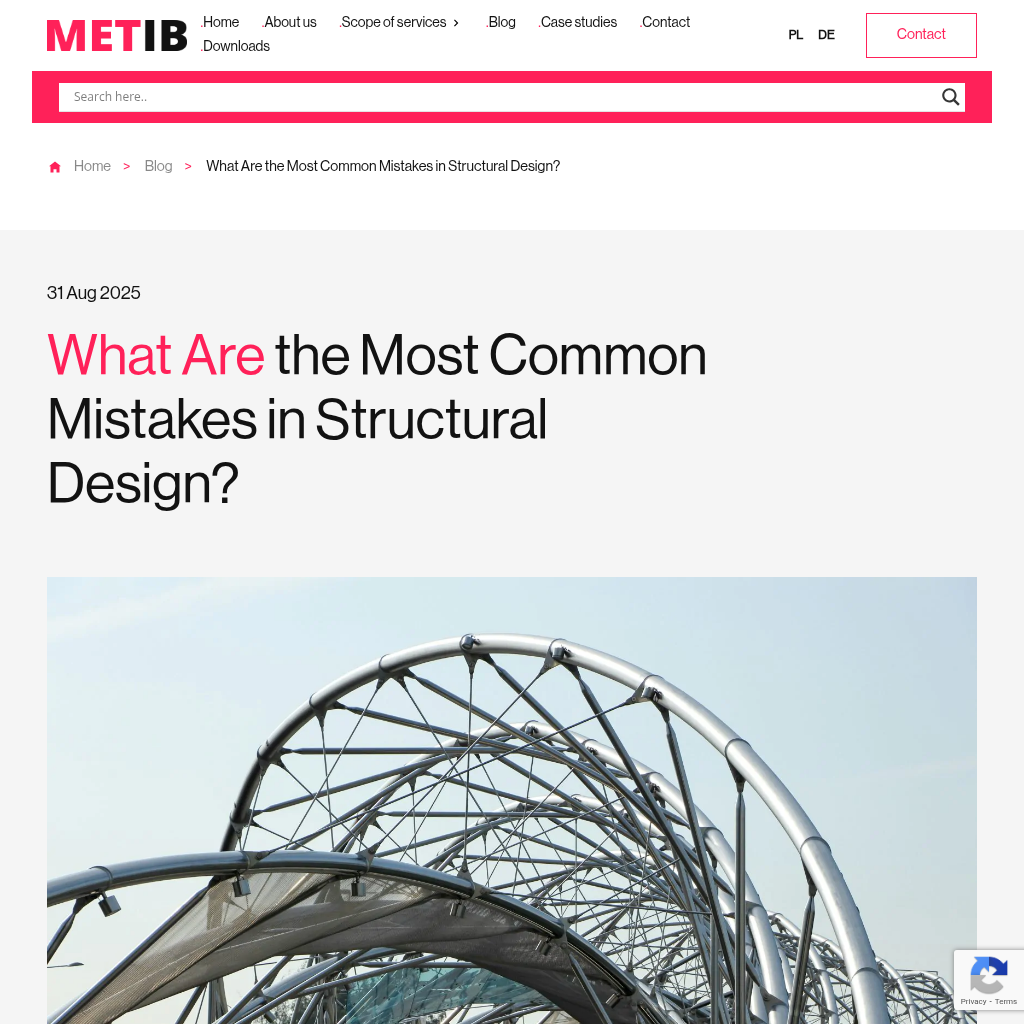 Metib’s comprehensive structural design platform offering specialized engineering services across multiple disciplines
 Comprehensive exploration of architectural challenges and professional concerns affecting design decision-making
 Provocative analysis challenging conventional value engineering practices in construction
 Community-shared insights on construction best practices and common engineering mistakes
 Professional construction management perspective on value engineering challenges and solutions


